Japan health symposium 2026: advanced sensing driving the future of healthcare
November 17, 2026 | Tokyo, Japan
Join industry leaders, technical experts, and innovators to explore how advances in silicon-based sensing technologies are enabling new breakthroughs across biomanufacturing, drug discovery and next-generation therapies and medical devices, including neural applications.
About event
Healthcare innovation increasingly depends on the ability to generate meaningful biological insights from high-quality data. Advances in specialty silicon and sensing technologies are making it possible to monitor biological processes with unprecedented precision, continuity and scale, creating new opportunities across life sciences and medtech.
From enabling real-time monitoring and control in biomanufacturing, to generating more predictive human-relevant data through microphysiological systems, to powering intelligent medical devices that can sense, interpret and respond to physiological signals, sensors are becoming a critical foundation for the future of healthcare. Combined with advances in data analytics, microfluidics and semiconductor engineering, these technologies are helping transform biological data into actionable insights that can accelerate innovation, improve healthcare outcomes and enable entirely new products and therapies.
The Japan Health Symposium 2026 brings together experts from industry, academia and research to explore how sensor innovation is driving the convergence of semiconductors, biology and data science, and how collaboration across these disciplines is shaping the next generation of healthcare solutions.
Why attend?
This half-day symposium, followed by a networking reception, will explore how advances in sensing technologies are enabling new approaches across life sciences, biopharma and medtech.
You will:
- Discover how silicon-based sensors are creating new opportunities across healthcare, from research and drug development to medical devices and patient monitoring.
- Learn how real-time biological data is enabling smarter, more adaptive and scalable healthcare solutions.
- Gain insights into emerging applications spanning biomanufacturing, human biology-on-chip systems and next-generation medical devices.
- Explore how advances in semiconductor technologies, sensing platforms and data analytics are transforming biological signals into actionable insights.
- Connect with leaders from industry, academia and research who are advancing the future of healthcare through sensor innovation.
The symposium brings together technology developers, healthcare and life sciences organizations, medtech companies, researchers and innovation leaders to explore the practical applications of advanced sensing technologies and their potential to transform the future of healthcare.
Agenda
Language: simultaneous interpretation will be provided throughout the symposium in English and Japanese.
- 13:00 - Registration
- 13:30 - Welcome & opening remarks
- Katrien Marent, EVP & Chief Marketing and Communications Officer at imec
- Hiroshi Saigusa, CEO at RISE-A; Senior Advisor at LINK-J; and Fellow (Innovation) at Mitsui Fudosan
- 13:45 - Bringing the power of semiconductor technologies to healthcare and life sciences by Liesbet Lagae, R&D Fellow, Health, at imec
- 14:05 - Accelerating healthcare innovation through partnership by Miranda Noblesse, Business Line Director, Health, at imec
Panels & deep dives
- 14:20 - Manufacturing biology with smart silicon
Exploring how advanced sensing technologies can enable real-time monitoring and control of biomanufacturing processes for advanced therapies.- Moderator: Olivier Henry, Program Director, Life Sciences and Medical Device Technologies at imec
- Speakers: Tomoyoshi Tokumaru (PHC), Yusuke Tomozoe (Hitachi High-Tech), Atsushi Inoue (Cellafa Bioscience)
- 15:15 - Coffee break
- 15:45 - Closing the loop: silicon-miniaturized intelligence at the body interface
Examining how next-generation sensing technologies are enabling closed-loop medical devices that can monitor, interpret and respond to physiological signals in real time.- Moderator: Patrick van Deursen, Senior Director, Health Sector, imec
- Speakers: Takufumi Yanagisawa (The University of Osaka), Munemasa Sugimoto (INOPASE Inc.)
- 16:35 - Human biology on chip: the next big thing in personalised medicine
Discussing how sensing-enabled microphysiological systems are creating more predictive, human-relevant models for drug discovery and development.- Moderator: Olivier Henry, Program Director, Life Sciences and Medical Device Technologies at imec
- Speakers: Kazuo Takayama (Institute of Science Tokyo), Ichiro Miki (Physios Biotech), Yoshikazu Kameda (Physios Biotech), Masaya Hagiwara (RIKEN)
- 17:20 - Closing & networking reception
- 19:00 - End
Speakers
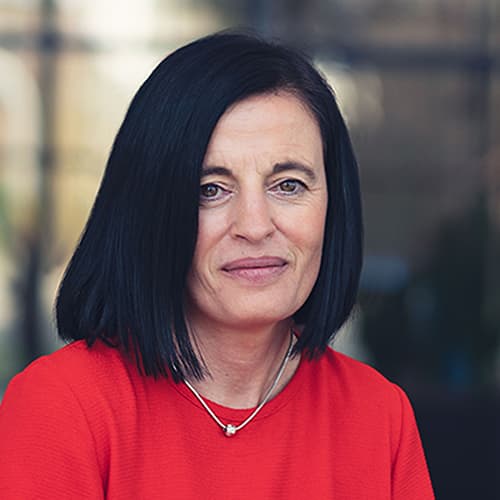
Katrien Marent - EVP & Chief Marketing and Communications Officer, imec
Katrien Marent became imec's VP Corporate, Marketing and Outreach Communication in 2016. Since April 2020, she is Executive Vice President & Chief Marketing and Communications Officer, and member of the executive board of imec. Katrien has an engineering degree in microelectronics. She joined imec in 1992 as an analog design engineer and specialized in design of low-noise readout electronics for high-energy physics.
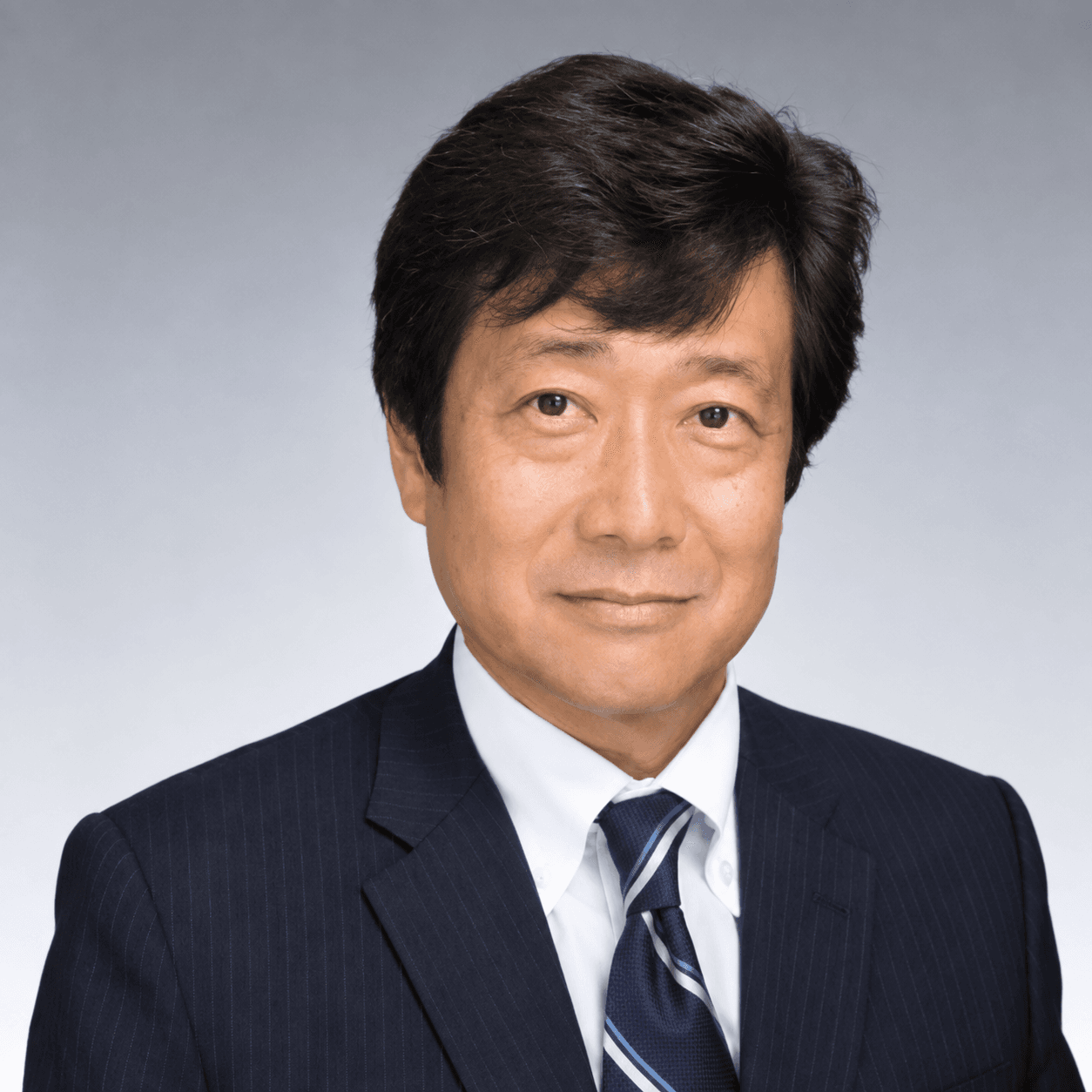
Hiroshi Saigusa - CEO, RISE-A; Senior Advisor, LINK-J; Fellow (Innovation), Mitsui Fudosan Co., Ltd.
Hiroshi Saigusa is CEO of RISE-A, Senior Advisor of LINK-J, and Fellow (Innovation) at Mitsui Fudosan Co., Ltd. Since joining Mitsui Fudosan in 1989, he has held a range of leadership roles across planning, research, and urban development. He currently leads initiatives that strengthen collaboration across Japan's life sciences and innovation ecosystem through his roles at LINK-J and RISE-A.
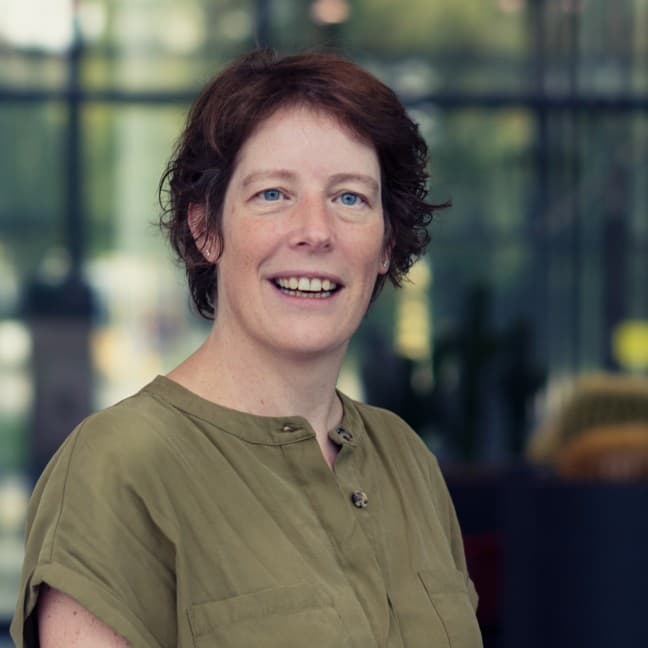
Liesbet Lagae - R&D Fellow, Health, imec
Liesbet Lagae is R&D Fellow for Health at imec. She co-founded imec's Life Science Technologies activities and has played a key role in advancing the application of semiconductor technologies in healthcare and life sciences. Her work focuses on developing chip-based solutions for diagnostics, genomics, cellular technologies, neurotechnologies, and other emerging health applications. She is also a professor in nanobiophysics at KU Leuven.
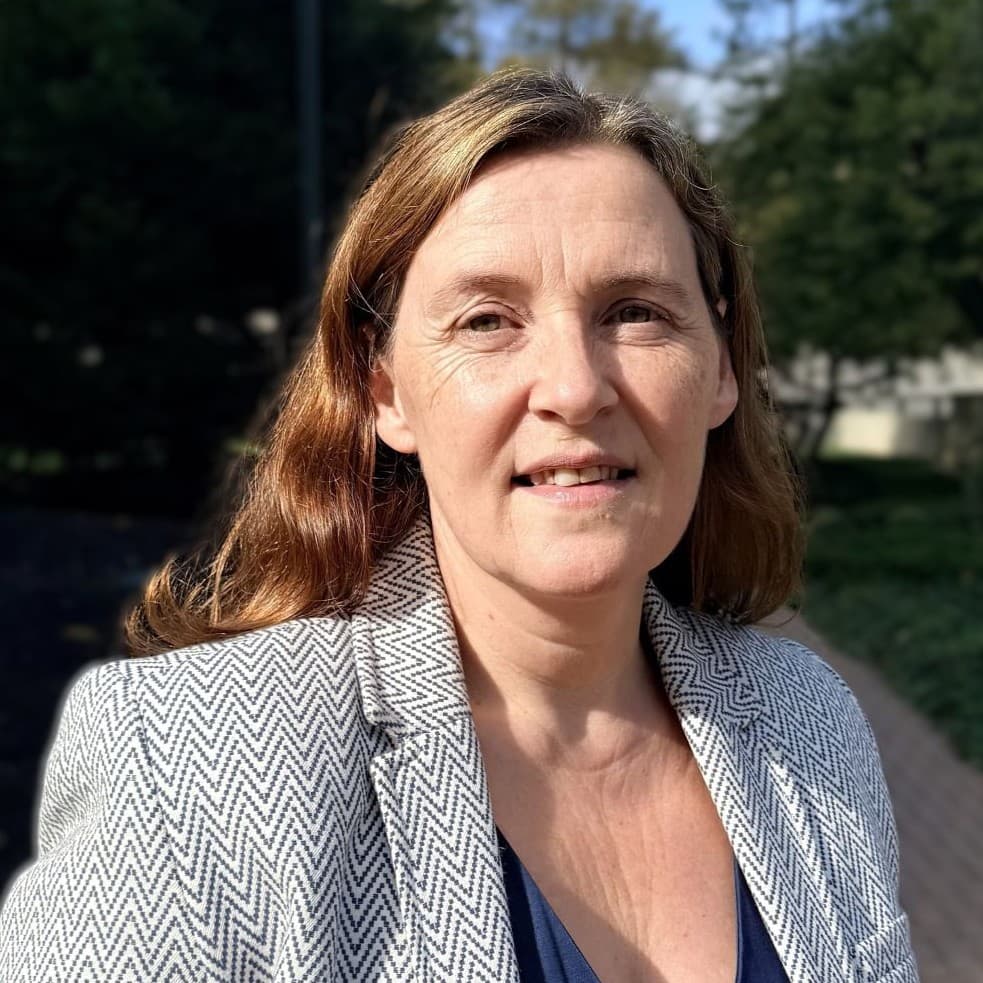
Miranda Noblesse - Business Line Director, Health, imec
Miranda Noblesse is Business Line Director of Health at imec, where she leads the business strategy and growth of imec’s health portfolio. She brings over 20 years of leadership experience in life sciences, spanning medical devices, digital healthcare and clinical diagnostics. Before joining imec in 2023, she held senior roles at Materialise, B. Braun Medical, bioMérieux and Roche Diagnostics Belgium.
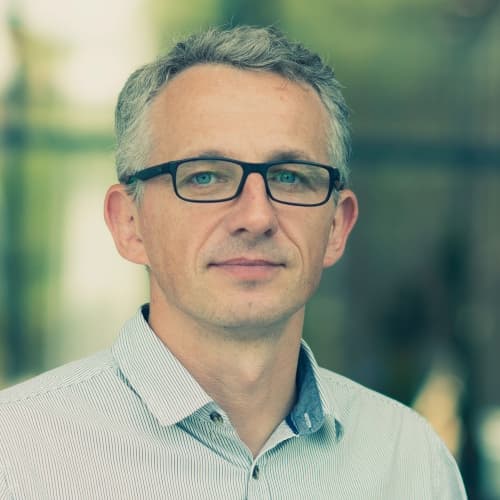
Olivier Henry - Program Director, Life Sciences and Medical Device Technologies, imec
Olivier Henry is Program Director, Life Sciences and Medical Device Technologies at imec. He leads multidisciplinary innovation programs at the intersection of biosensing, microfluidics, organ-on-chip technologies, advanced biomanufacturing and semiconductor innovation. He works with pharmaceutical and technology partners to develop R&D programs addressing challenges in healthcare and biopharma.
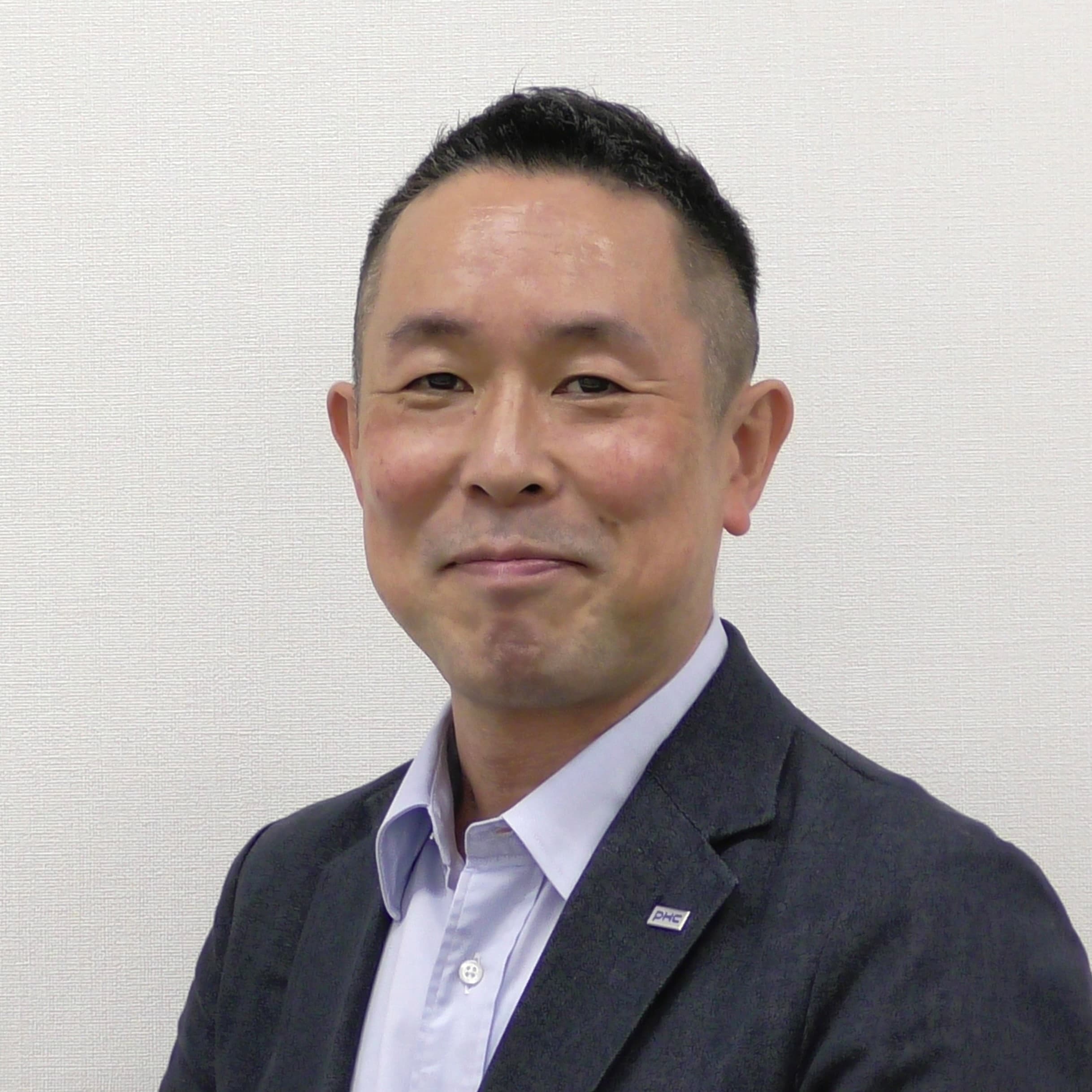
Tomoyoshi Tokumaru - General Manager, Cell Processing Solution Development Department, PHC Corporation
Tomoyoshi Tokumaru leads Cell & Gene Therapy development at PHC Corporation, driving the commercialization of the LiCellMo live cell metabolic analyzer and LiCellGrow cell expansion system. He joined SANYO Electric Co., Ltd. in 1999 and began his career in robotics R&D before moving into the life sciences field, where he led the development of CO₂ incubators and automated cell culture systems. He also serves as Chair of the Facilities and Equipment Committee of FIRM.
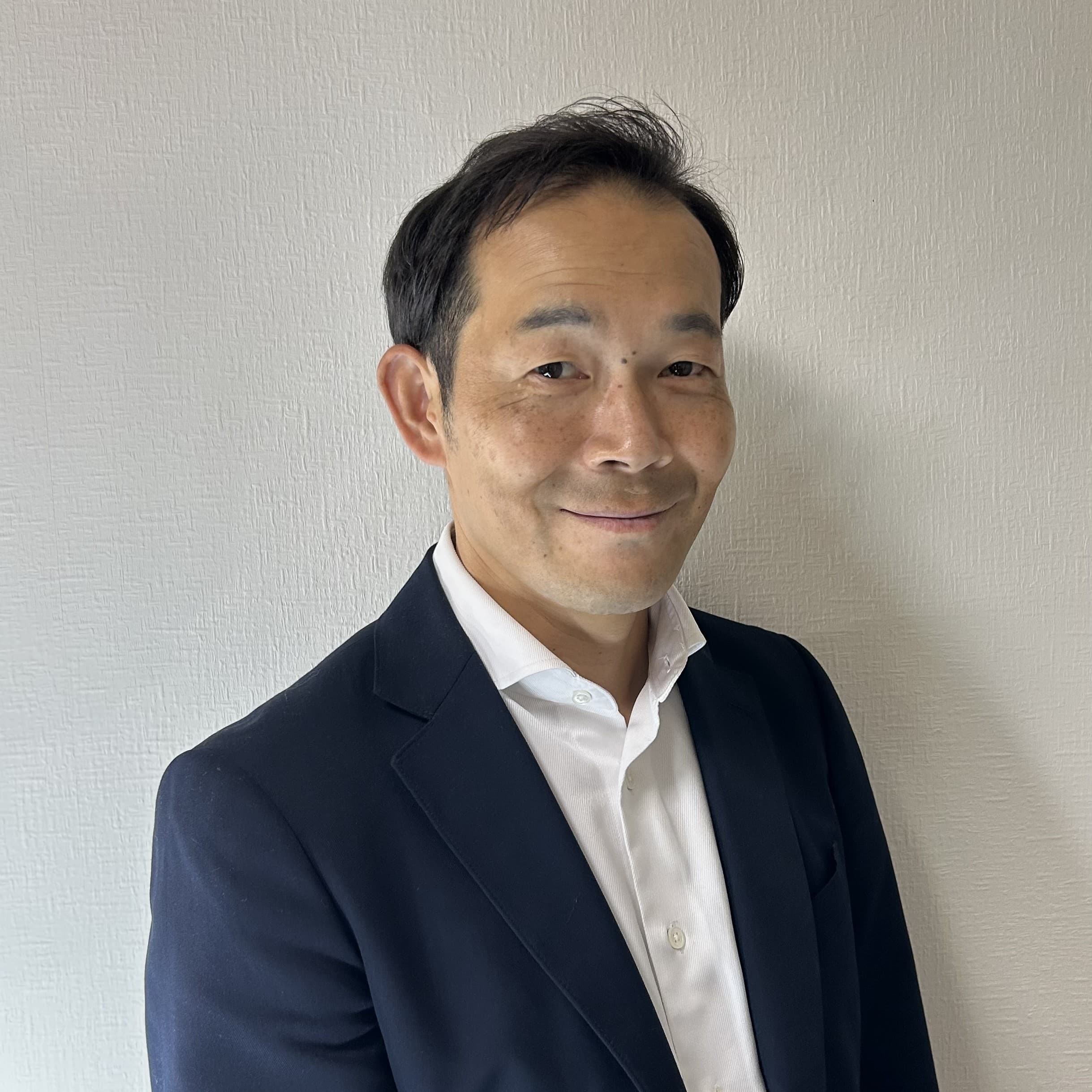
Yusuke Tomozoe - General Manager, Cell & Gene Therapy Solution Department, Hitachi High-Tech Corporation
Yusuke Tomozoe leads the Cell & Gene Therapy Solution Department at Hitachi High-Tech Corporation. Since 2016, he has been involved in the commercialization of automated cell culture technologies, including iACE2. Based on collaborative research between Kyoto University, Sumitomo Pharma and Hitachi, he led the commercialization of automated cell culture systems and consumables for manufacturing iPS cell-derived dopaminergic neural progenitor cells.
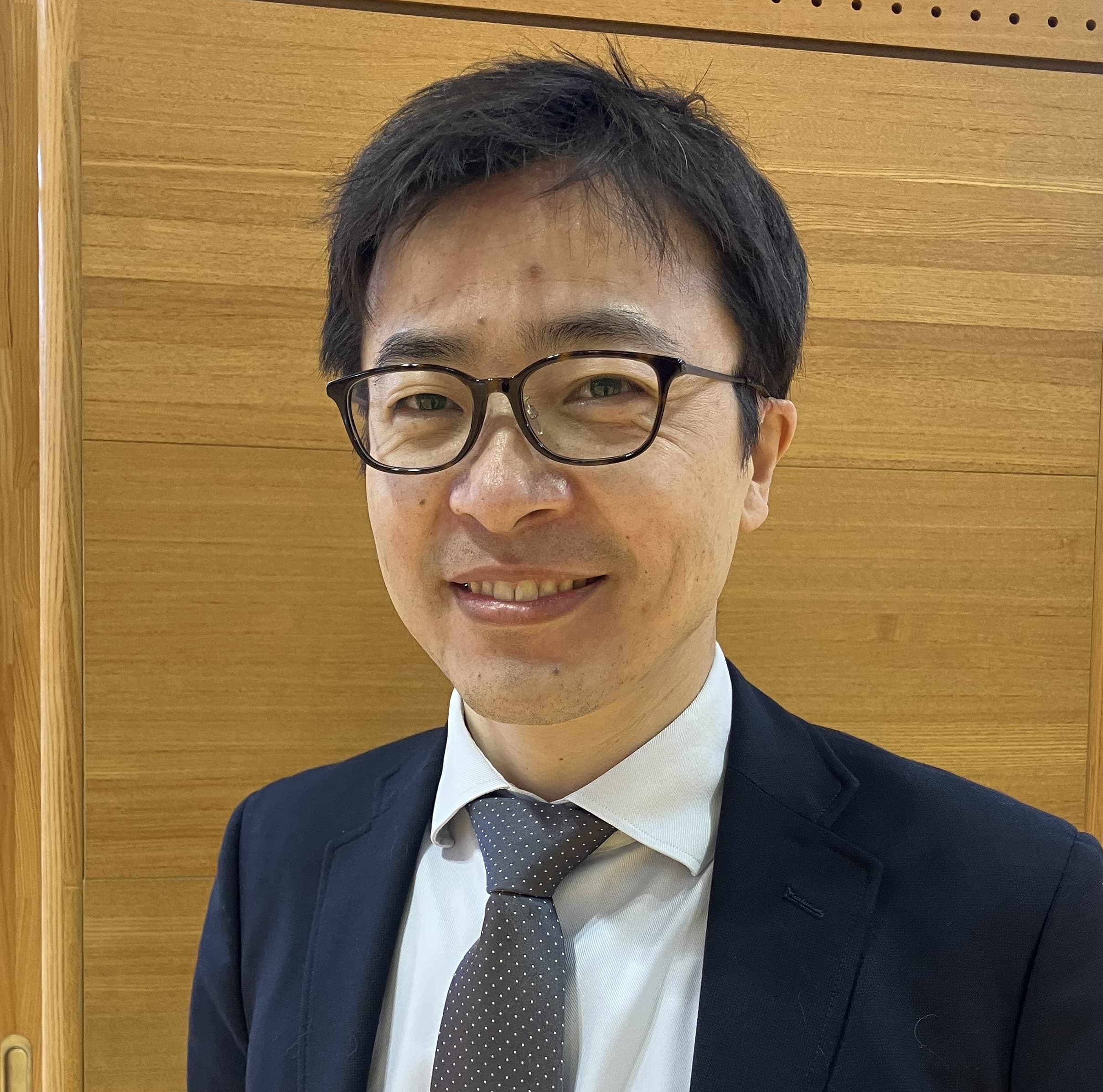
Atsushi Inoue - Head of Digital Process Innovation, Cellafa Bioscience
Atsushi Inoue is Head of Digital Process Innovation at Cellafa Bioscience. He leads the development of digital and automated approaches for process development and GMP manufacturing of iPSC-derived regenerative medicine products, including the integration of robotics, data analytics and automation technologies. Before joining Cellafa Bioscience, he worked in biologics process development at Astellas Pharma, where he focused on process monitoring and manufacturing science. He now applies this experience to regenerative medicine development with a focus on scalable and reproducible cell therapy manufacturing processes.
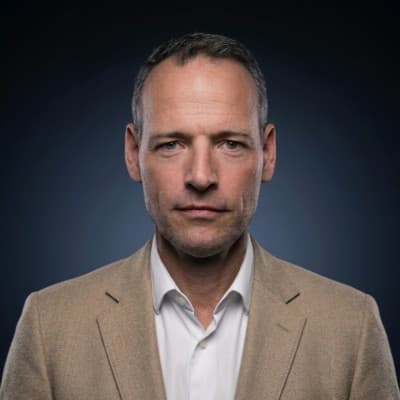
Patrick van Deursen - Senior Director, Health Sector, imec
Patrick van Deursen is Senior Director of the Health Sector at imec. Together with his teams, he focuses on the development and commercialization of MedTech R&D for medical and health devices. Previously, he served as Business Development Director at Philips, where he led European home healthcare initiatives with a focus on e-health. Patrick holds a degree in Mechanical Engineering from Delft University of Technology and an MBA from Rotterdam School of Management.
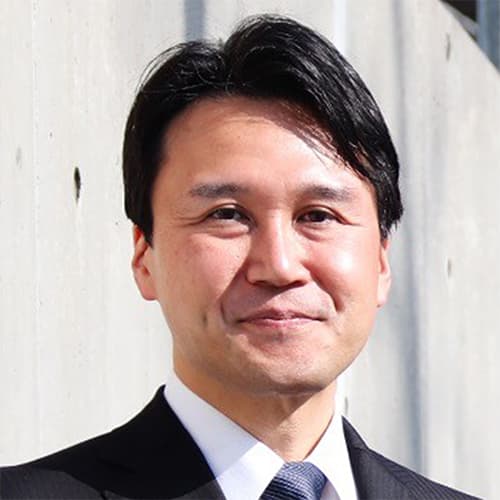
Takufumi Yanagisawa - Professor, The University of Osaka
Takufumi Yanagisawa is Professor of Neuroinformatics at The University of Osaka and holds a concurrent appointment in the Department of Neurosurgery. Following training in neurosurgery, he engaged in the development of brain-computer interfaces using electrocorticography and received his PhD in Medicine from Osaka University in 2009. He has held his current position since November 2024.
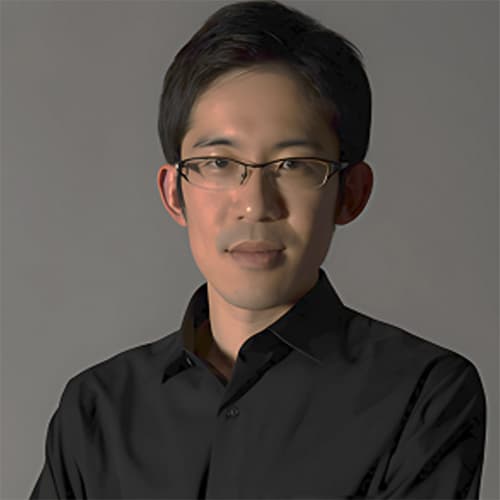
Munemasa Sugimoto - Co-founder & CEO, INOPASE, Inc.
Munemasa Sugimoto is co-founder and CEO of INOPASE Inc. Before co-founding the company in 2021, he worked at KPMG AZSA LLC, Novartis Pharma K.K. and CDI Medical, Inc. He also participated in the Japan Biodesign Fellowship Program at the University of Tokyo from 2019 to 2020. He holds degrees from Keio University and Washington University in St. Louis.
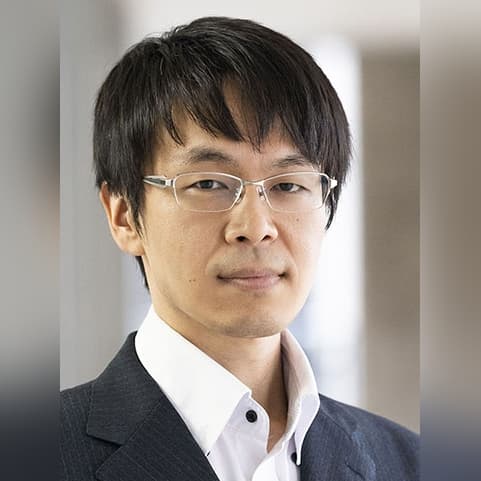
Kazuo Takayama - Professor, Institute of Science Tokyo
Kazuo Takayama is Professor at Institute of Science Tokyo. His research focuses on developing human organ models using pluripotent stem cell-derived organoids and microphysiological systems, including organ-on-a-chip technologies. His group develops models of the intestine, liver, lung and blood-brain barrier for applications in drug discovery and disease modelling.
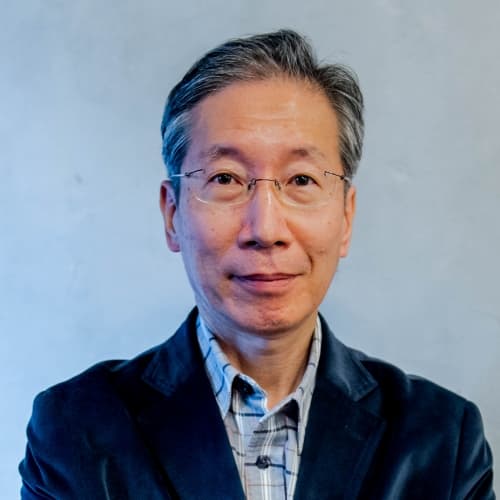
Ichiro Miki - CEO, Physios Biotech, Inc.
Ichiro Miki is CEO of Physios Biotech, Inc. Prior to assuming his current position in 2024, he held leadership and program management roles at Kyowa Hakko Kogyo Co., Ltd., JST, RIKEN and AMED. At Kyowa Hakko, he worked in drug discovery research and later served as Director of Drug Discovery Research Laboratories.
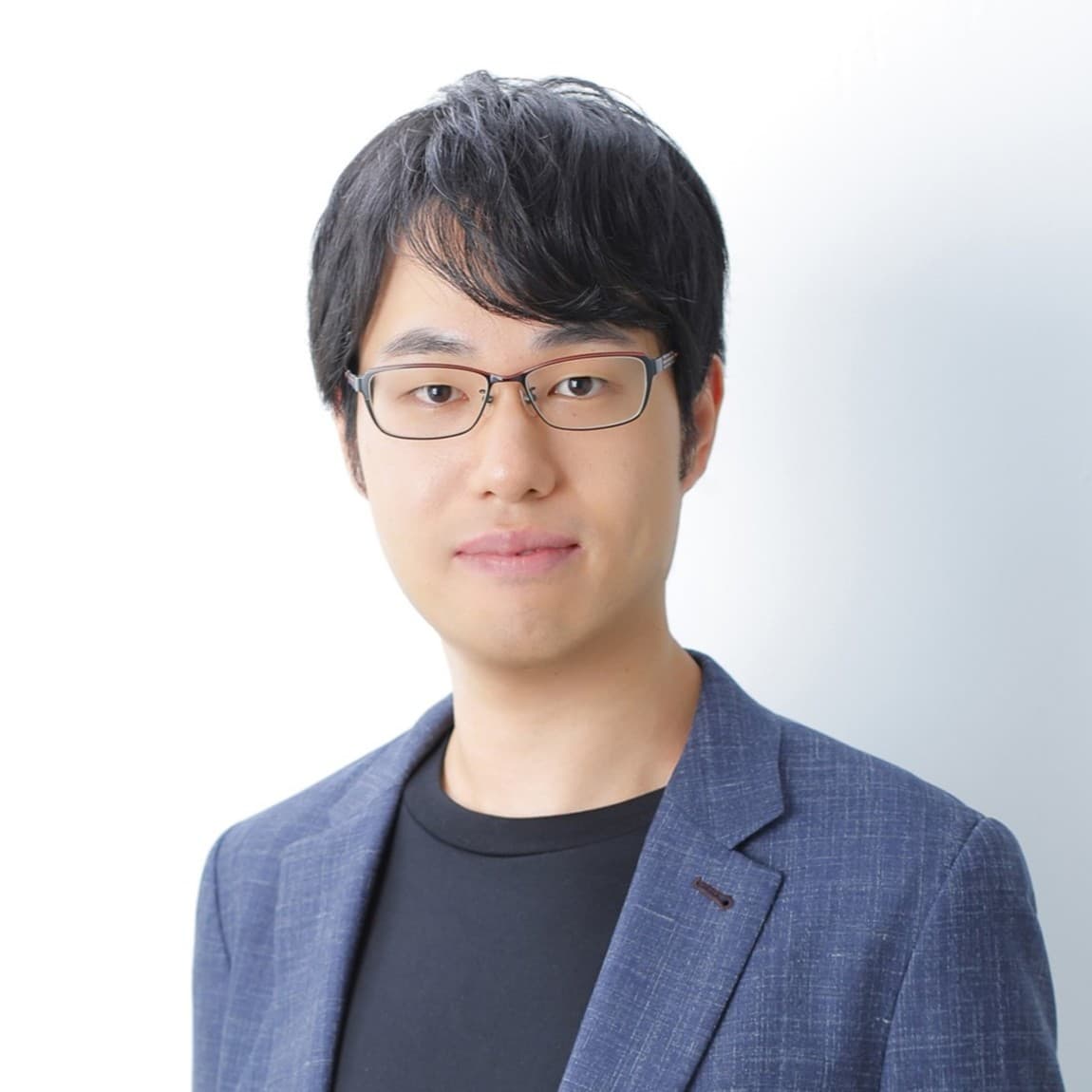
Yoshikazu Kameda - Board Director & COO, Physios Biotech, Inc.
Yoshikazu Kameda is Board Director and COO of Physios Biotech, Inc. While at Kyoto University, he conducted research on microphysiological systems for the vascularization of kidney organoids under the supervision of Professor Ryuji Yokokawa. He received his PhD in Engineering from Kyoto University in 2025, joined Physios Biotech in 2024 as Director of Research and Development, and assumed his current role in June 2026.
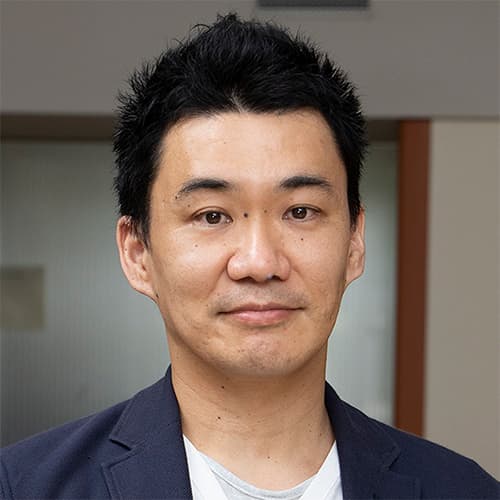
Masaya Hagiwara - Team Director, RIKEN
Masaya Hagiwara is Team Director at RIKEN, a position he has held since 2019. His research focuses on developing engineering technologies to reconstitute biological systems outside the body. With a background spanning automobile manufacturing and microrobotics, he develops technologies that control cellular microenvironments and model interactions between tissues and organs.
Location
Nihonbashi Life Science HUB
Nihonbashi Muromachi, 1-5-5, Chuo-ku,
Tokyo 103-0022, 8F.,
Muromachi Chibagin Mitsui Building
Please take the elevator to the 8th floor. Signs will direct you to the room.
Organizing partners