
As vehicles become smarter, safer, more autonomous, and more intelligent, they require higher levels of compute performance. Meeting these demands places significant pressure on traditional monolithic semiconductor designs, which are reaching their limits in terms of scalability, power, efficiency, and interoperability.
Chiplet‑based architectures offer a compelling alternative as they enable modular, flexible, and scalable compute integration within a single package.
To support this transition, imec launched the Automotive Chiplet Program (ACP), a global, precompetitive research initiative that builds on imec’s long‑standing track record in chiplet‑based architectures, interconnect technologies and system‑level design to accelerate their adoption in automotive electronics. As part of this commitment, imec and the State Government of Baden‑Württemberg also launched the Chiplet Acceleration Center (CAC), formerly known as Advanced Chip Design Accelerator (ACDA), strengthening support for both local and global automotive industries while helping de‑risk and accelerate the introduction of automotive chiplets into manufacturing.
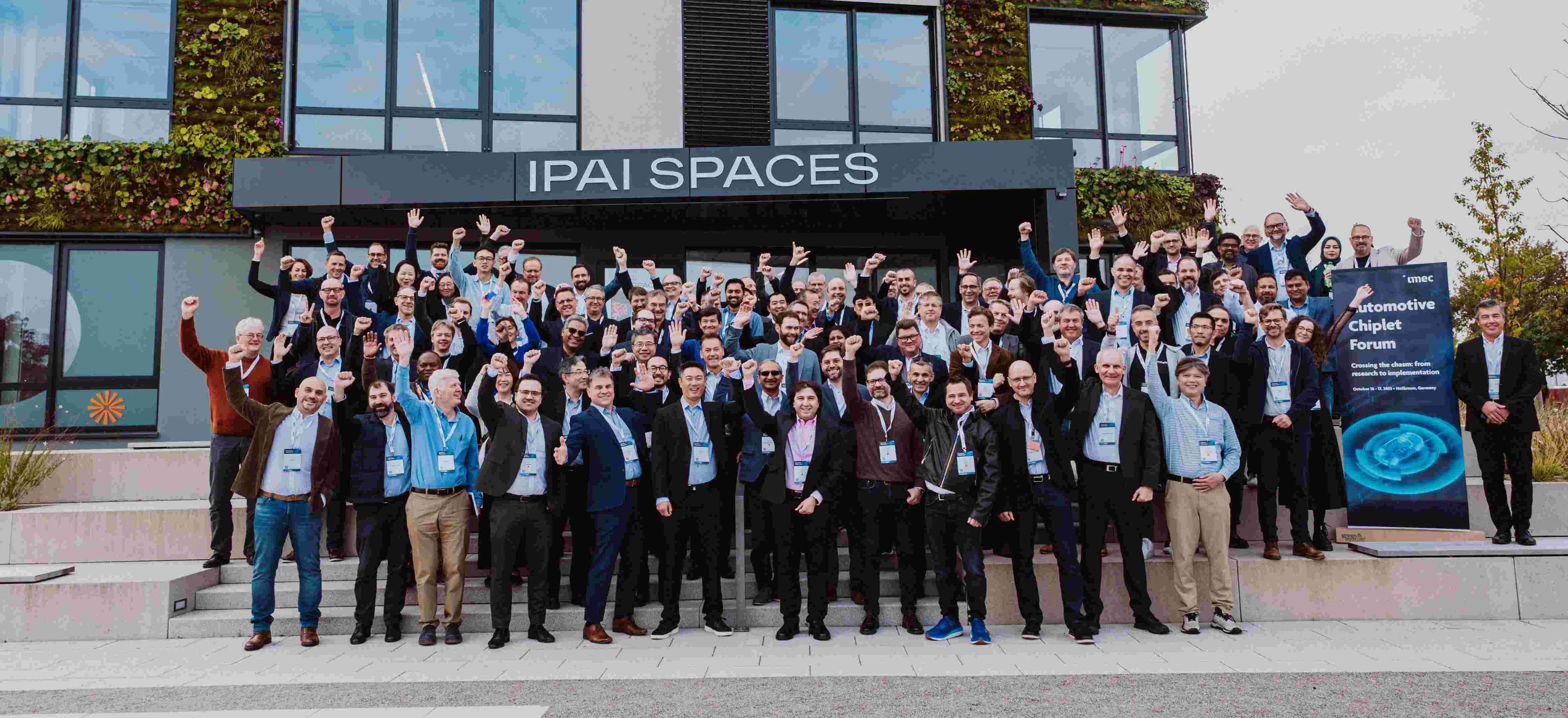
Within imec’s Automotive Chiplet Program (ACP), now 22 industry partners collaborate on the definition and validation of an open, automotive chiplet ecosystem.
Its mission is clear: reducing development risks and complexity while accelerating chiplet adoption in the automotive industry. By enabling late binding and ensuring interoperability between independently developed chiplets, the program helps the ecosystem to shorten time‑to‑market and build scalable, modular compute platforms for future vehicles.

© Arm
Chiplets, the next generation of automotive compute
As the complexity of automotive compute systems continues to grow, the industry is looking for architectures that can evolve more flexibly than traditional, monolithic designs. Chiplets provide such a framework.
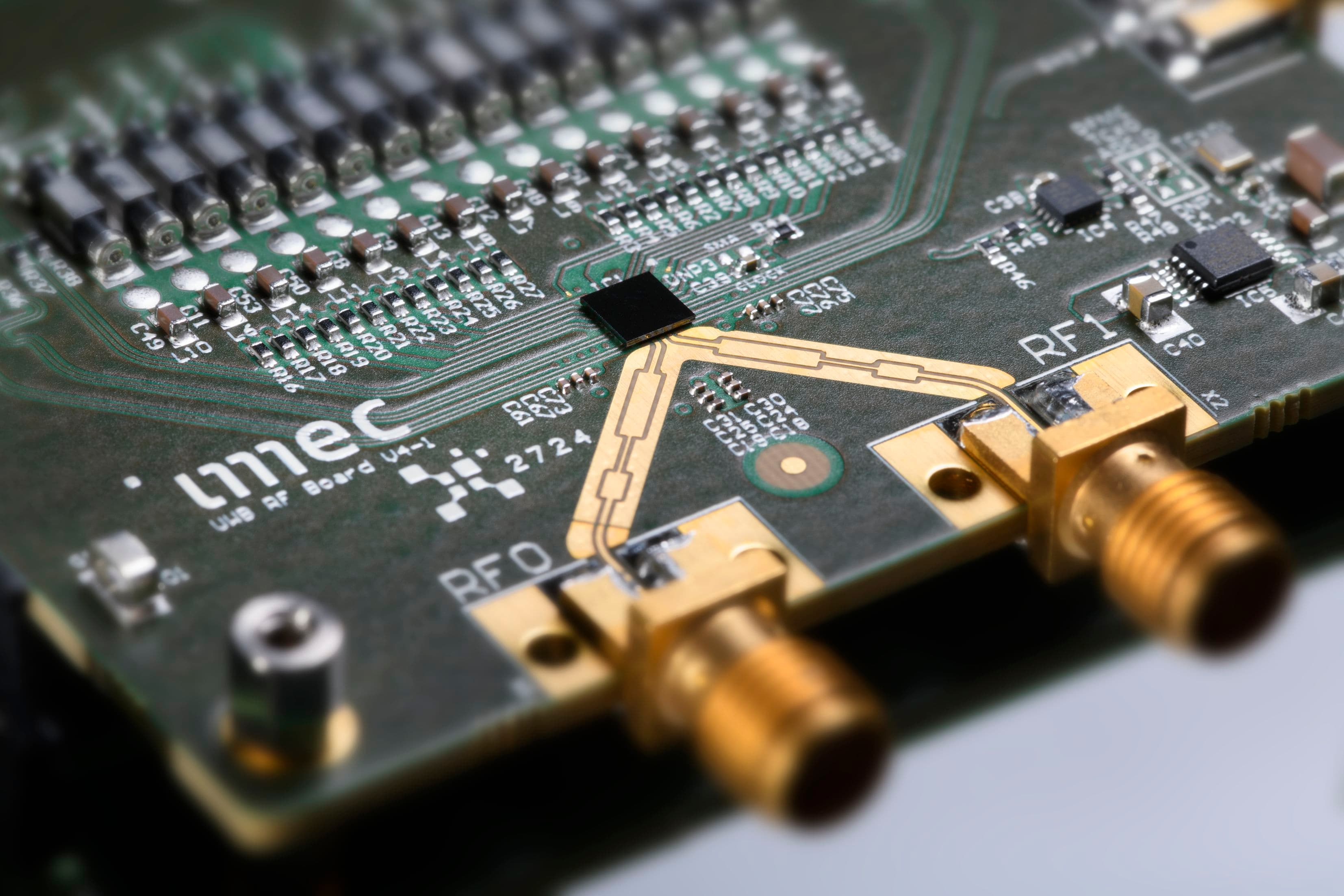
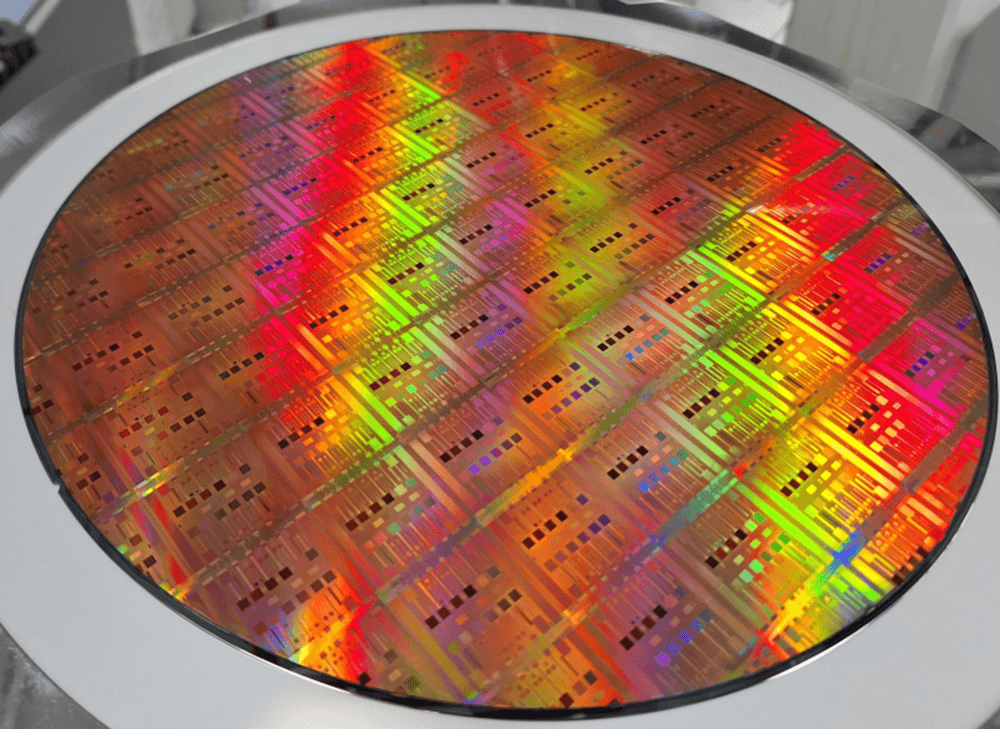
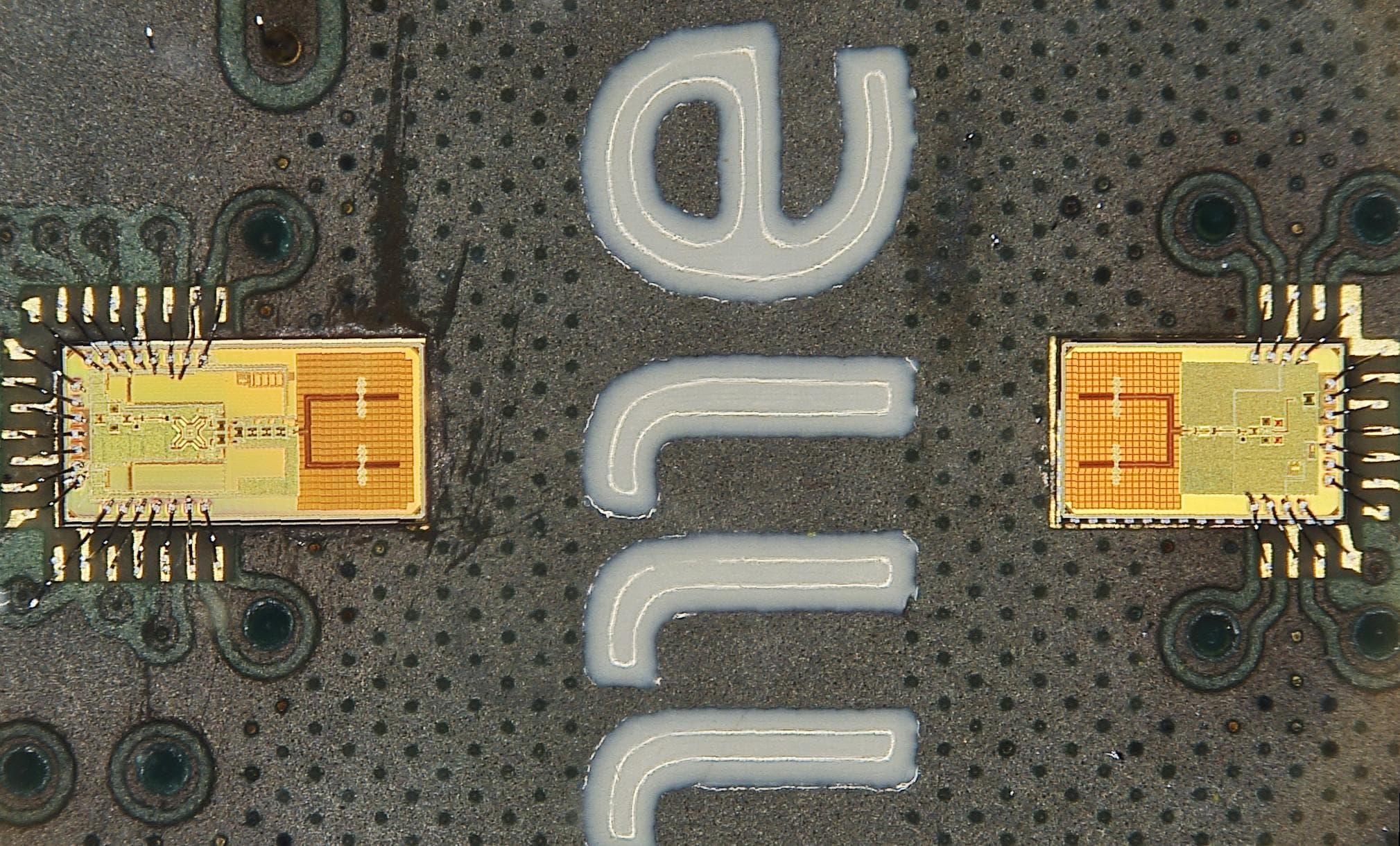
Instead of building one large system‑on‑chip (SoC), using chiplets introduces a modular way of creating compute systems by bringing together several small, purpose‑built silicon components within a single package. Each chiplet focuses on a specific function, such as compute, AI acceleration, memory, or safety management. These chiplets are then assembled in a single package using high‑bandwidth, low‑latency interconnects, allowing them to operate together as one tightly integrated system.
“Think of a chiplet as a specialized building block,” Bart Placklé, VP Automotive at imec, explains. “By combining several of these blocks, you can create highly optimized compute platforms that meet the increasing demands of next‑generation vehicles.”
Recognizing both the potential of this modular architecture and the need for coordinated development across the ecosystem, ACP brings together a broad range of industry partners to explore how chiplet‑based compute can be deployed reliably in future vehicles.

© imec
Arm’s role in ACP and why this collaboration matters
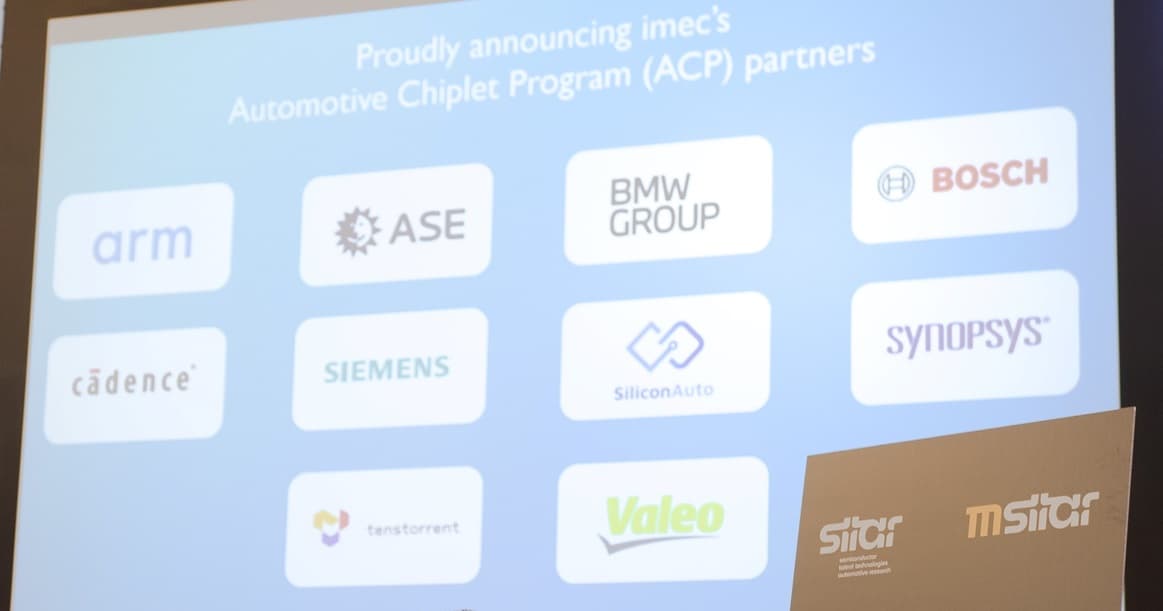
Arm joined ACP in October 2024 as one of its founding partners, alongside industry leaders including BMW Group, Bosch, Cadence, Siemens, SiliconAuto, Synopsys, Tenstorrent, and Valeo.
Learn more about the program’s launch and participating companies in the ACP press announcement
With Arm autonomous enhanced (AE) technologies and Arm Zena Compute Subsystems (CSS) widely embedded across the automotive landscape, Arm takes a central position in defining the compute platform of modern automotive systems. Moreover, the AE portfolio includes Arm Neoverse server-grade computing, offering ISO 26262-compliant products for safety-critical systems, making it a key partner for a wide range of automotive applications, from advanced driver assistance systems (ADAS) to fully autonomous driving.
“The collaboration between Arm and the ACP program is significant because it strengthens the automotive semiconductor ecosystem at multiple levels. Arm brings its global IP portfolio, technical leadership, and software ecosystem to accelerate interoperable chiplet architectures. In return, ACP offers Arm a research-driven environment, which includes OEMs, Tier1 suppliers, EDA partners, and semiconductor manufacturers, to help shape emerging standards for interoperable chiplet architectures. This innovative collaboration enables the industry to collectively address longstanding challenges and accelerate the path to interoperable, safety‑compliant chiplet solutions,” Bart Placklé continues.
In addition, Arm has a long-standing track record of commitments to industry collaboration and open standards. For over three decades the Arm Advanced Microcontroller Bus Architecture (AMBA) has been available royalty-free. Using open standards, it connects and manages SoC blocks, facilitating multi-processor designs in billions of devices.
Last year, Arm also contributed a version of its chiplet system architecture (CSA), known as Foundation Chiplet System Architecture (FCSA), to the Open Compute Project (OCP). FCSA is ISA-neutral, removes barriers, reduces fragmentation, and enables a multi-vendor supply chain to help the drive towards an open chiplet ecosystem. All of this supports innovation and adoption, and provides OEMs and Tier 1s with a usable platform and wide choice of partners.

© Arm
Arm’s perspective on the ACP program
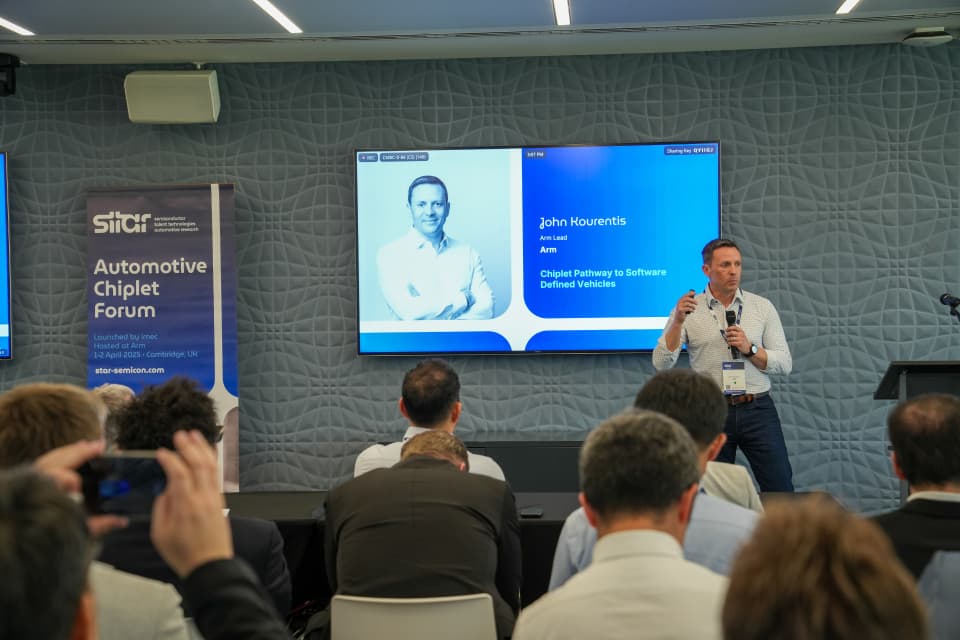
John Kourentis, Director of Automotive Go-To-Market in EMEAI, Physical AI Business Unit at Arm confirms that collaboration across OEMs, Tier1s, silicon providers and research partners is a key factor in reliable chiplet integration.
“The rise of AI-defined vehicles is driving unprecedented compute demands, requiring scalable architectures that can span entry-level to premium platforms without increasing fragmentation. Through imec’s Automotive Chiplet Program, Arm is working with industry leaders to help define the foundational chiplet frameworks needed to enable that scalability across the automotive ecosystem,” John Kourentis, Director of Automotive Go-To-Market in EMEAI, Physical AI Business Unit at Arm, states.
As such, ACP lays the groundwork for open chiplet standards by providing the structured environment in which these interfaces and methodologies can be developed collaboratively.
Collaboration is key
Looking ahead, the collaboration aligns on shared priorities for the coming years. These include expanding the chiplet ecosystem, establishing standardized interfaces for automotive‑grade chiplets, and enabling high‑performance, AI‑ready compute platforms.
It is clear collaboration will be key in establishing these goals.
As such, the ACP invites partners from across the automotive and semiconductor value chain to contribute to this collective effort.
Interested in joining the program?
By joining imec’s ACP:
- You help shape emerging standards, explore practical integration pathways, and accelerate the delivery of interoperable chiplet solutions for next‑generation vehicles.
- You gain early insight into emerging standards and access to shared research.
- You seize the opportunity to collaborate directly with recognized automotive and semiconductor innovators, while also reducing development risk and shortening time‑to‑market for chiplet‑based solutions.
Find out more about the Automotive Chiplet Program. Explore imec’s automotive activities. Or click the button below to get in touch.