Mstar: Michigan semiconductor talent and technology for automotive research
Michigan has been a cornerstone of the American automobile industry for more than a century. Today, it ranks first in US vehicle production, and first in mobility and automotive R&D, accounting for 58% of total U.S. spending. 95 out of 100 automotive suppliers to North America are in Michigan.
This well-established ecosystem is now at the forefront of the industry’s shift towards autonomous and software-defined vehicles.
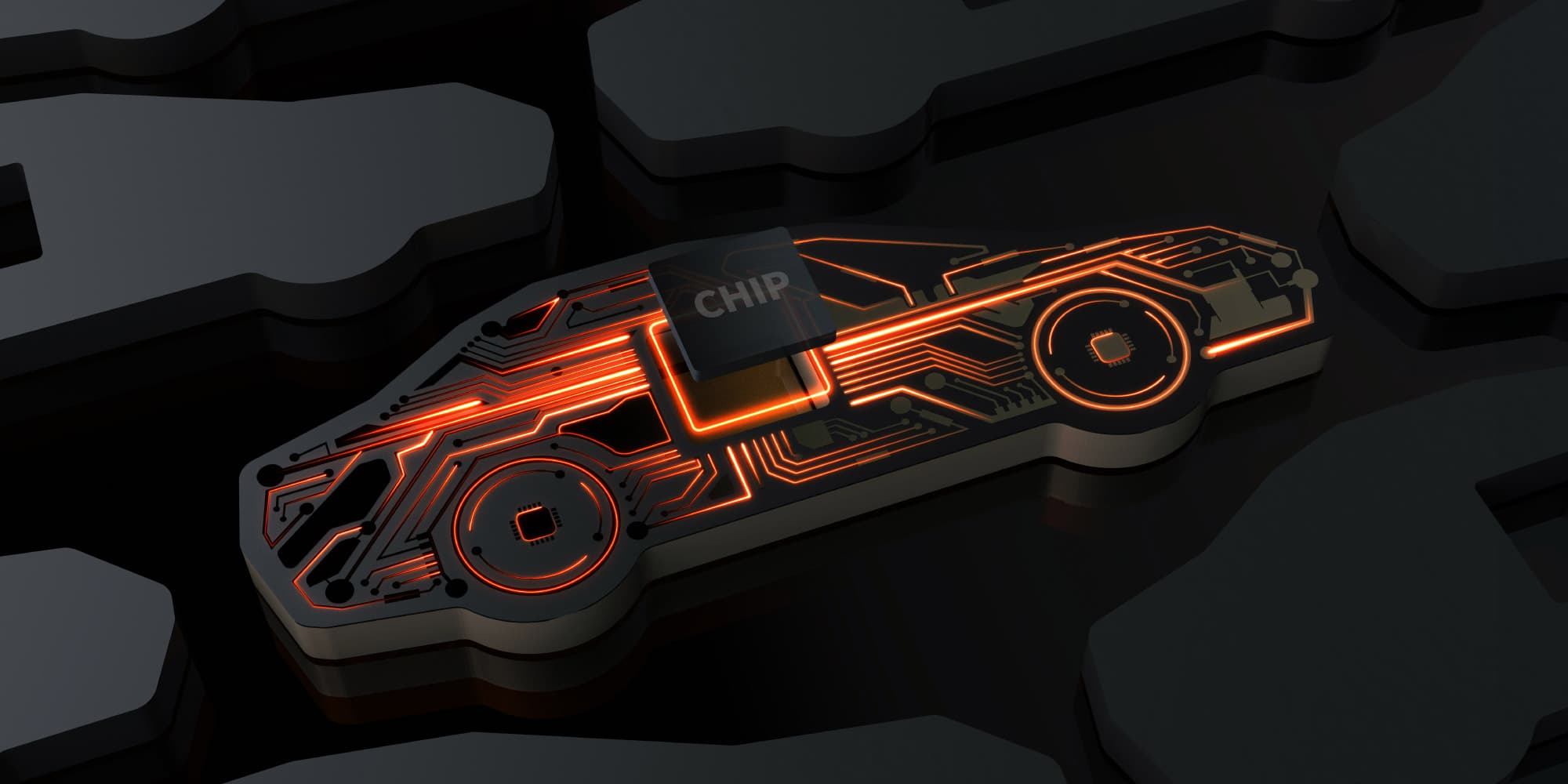
Advanced semiconductors are rapidly becoming the nervous system of tomorrow’s cars. And for Michigan to extend its leadership, a fundamental transition is underway: from consuming advanced semiconductor technologies to defining them.
Today, the automotive industry faces two urgent challenges:
- The complexity gap – Next‑generation vehicles require cutting‑edge process nodes and increasingly large compute platforms. But because automotive semiconductor production volumes are far lower than those of smartphones, the traditional economics of chip development create a cost‑to‑innovation barrier.
- The expertise gap – Michigan’s deep automotive engineering talent must be complemented with specialized semiconductor design, device engineering, and chiplet architecture expertise.
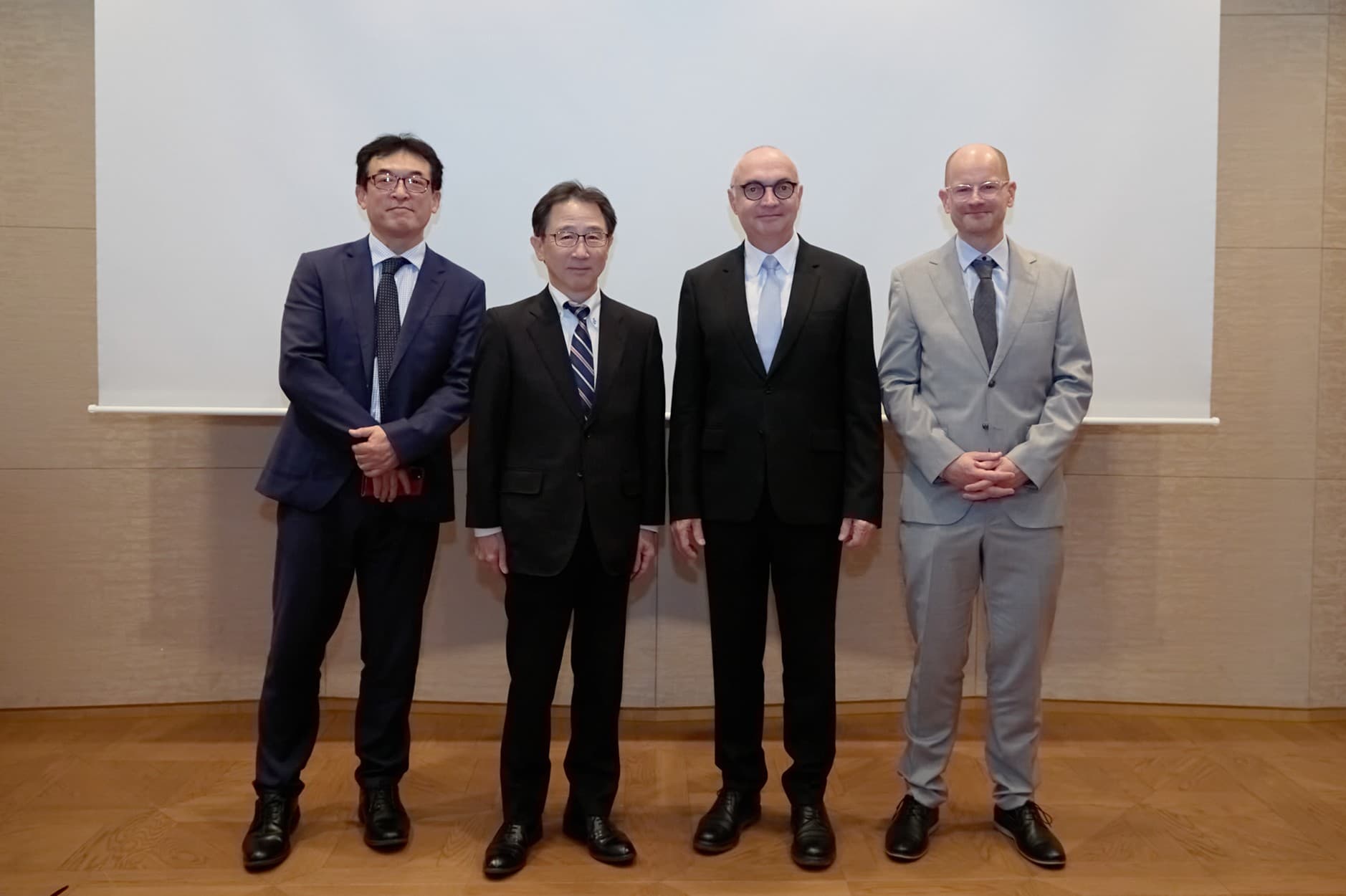
Mstar was created to bridge these gaps. Established by KLA, the University of Michigan, Washtenaw Community College, GM, MEDC and imec, mstar is developing both the semiconductor technologies and the talent pipeline needed to power the next generation of autonomous and software‑defined vehicles.
Mstar partners





These partners are not just researching chips; they are building the regional expertise to design them. By optimizing sensing architectures, scaling compute engines, and developing new devices, mstar is empowering Michigan to lead the transition from vehicle assembly to silicon-to-system innovation.
Automotive semiconductor research
Advanced automotive semiconductors are key to enabling tomorrow’s software-defined vehicles and the future of the automotive industry.
Cars need chips that can handle the exponentially growing compute demands of ADAS and in-cabin large language models (LLMs). This requires a move to the latest process nodes, rapidly growing die sizes, and decreasing yields.
However, production volumes are an order of magnitude smaller than those of advanced smartphone chips. Development costs risk spiraling out of control.
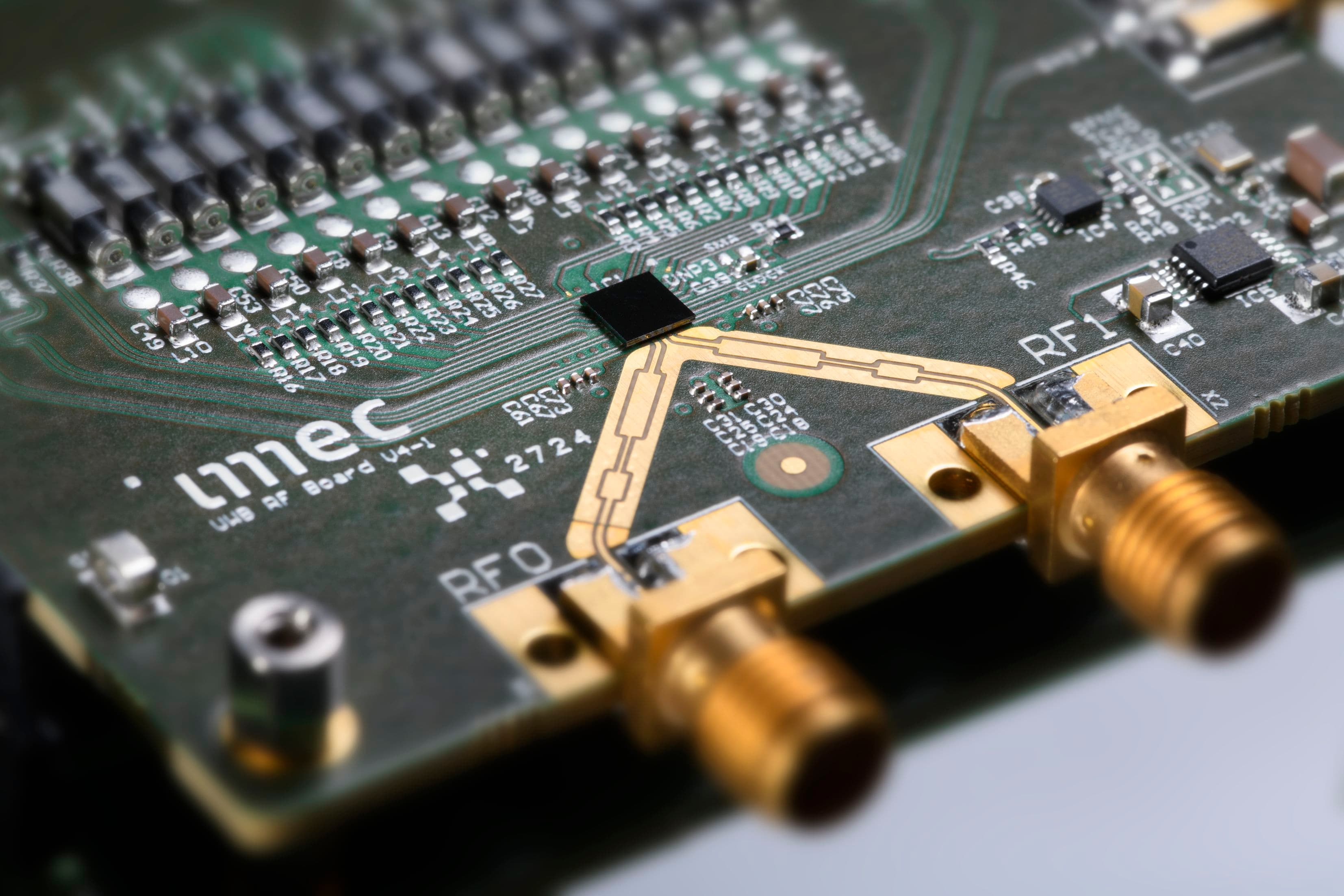
Innovation at multiple levels is therefore essential. A research collaboration between imec and the University of Michigan focuses on optimizing the sensing architecture, scaling the compute engine, and developing new devices.
Optimizing the sensing architecture
Next-generation vehicles will perform extensive AI computations on massive amounts of data from a wide range of sensors that monitor and map the car’s environment.
To achieve this, the number of sensors in vehicles must increase while their size and cost decrease. In parallel, sensing technologies must improve to ensure comprehensive monitoring and mapping of the vehicle’s surroundings under all weather and lighting conditions.
Imec’s and the University of Michigan’s research investigates:
- Temporal, adaptive, and context-aware adaptive sensor fusion, and the combination of these approaches.
- Event-based cameras, in-sensor compute, efficient algorithms, and other strategies to optimize AI processing at the edge of the automotive system.
Scaling the compute engine
Integrating advanced logic chips into a vehicle is challenging. Unlike servers, which operate in climate-controlled environments with stable power supplies, automotive chips are constrained by the limited power a battery can deliver, making energy efficiency a constant concern.
Monolithic IC designs can no longer meet the required computational power cost-effectively, pushing the need for chiplet architectures. This shift could also enhance supply-chain resilience and accelerate innovation, provided industry-wide standards are established.
Considerable work remains to ensure that chiplet architectures – just like all automotive semiconductor technologies – conform to the industry’s rigorous quality and reliability requirements.
To support the introduction of chiplets in the automotive compute engine, imec and the University of Michigan are developing interfaces, test infrastructures, and test chips, as well as software simulations.
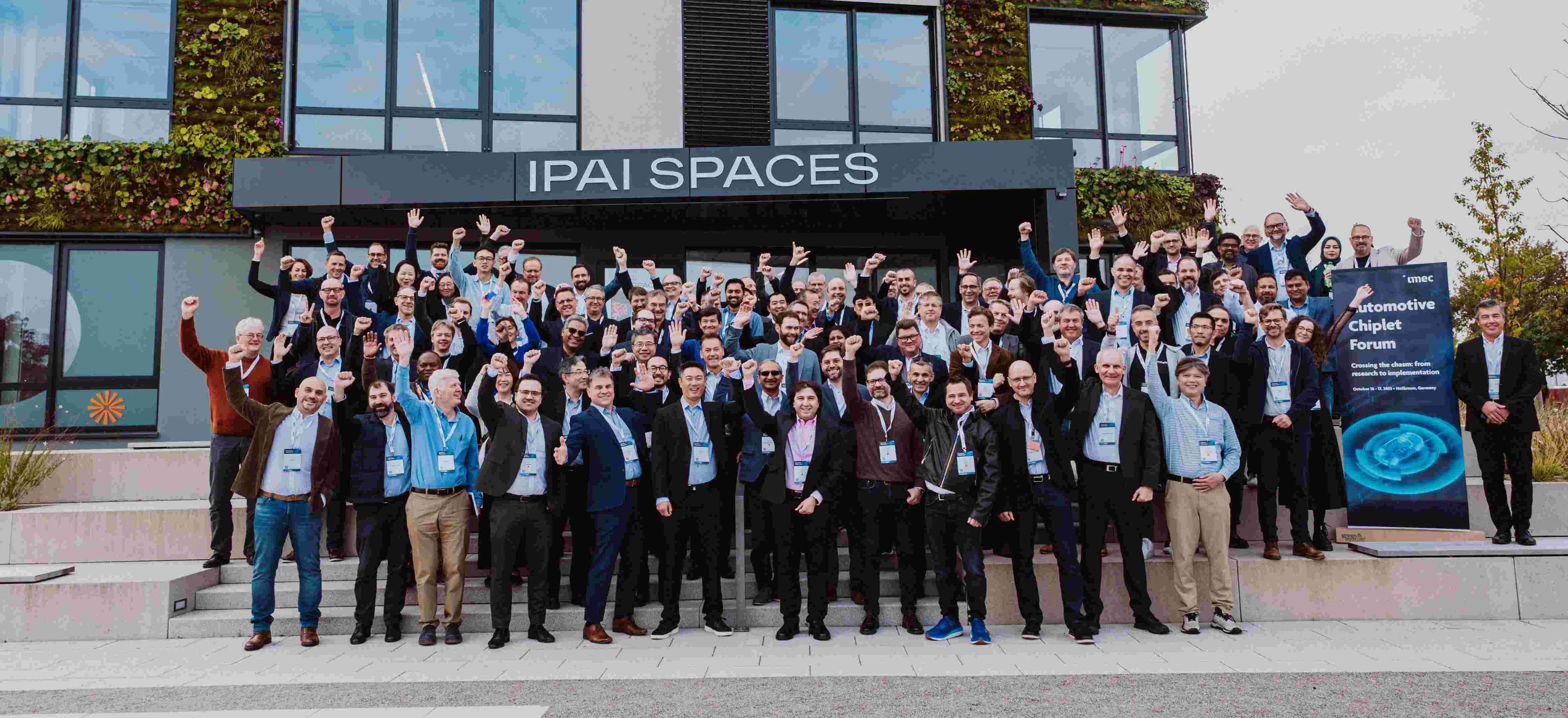
Imec’s Automotive Chiplet Forum rallies the automotive industry to build an open chiplet ecosystem. Participants regularly meet to discuss points of action such as identifying gaps in the current standards and addressing them.
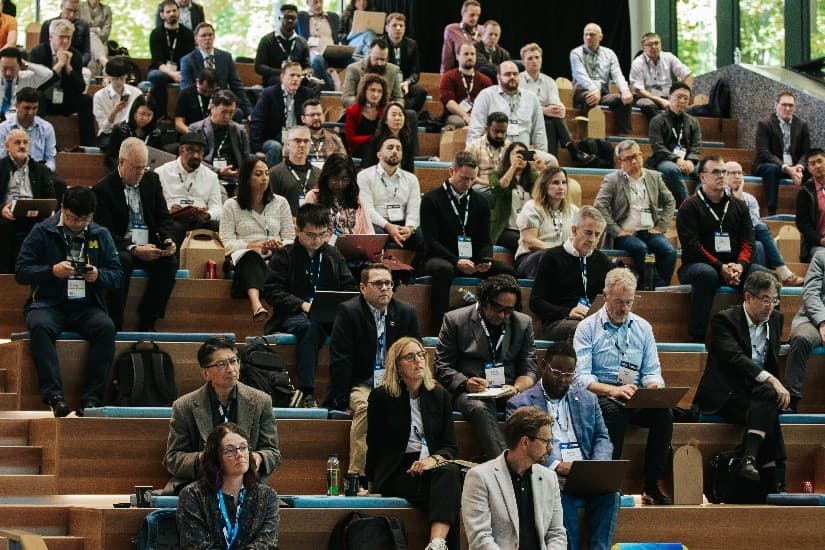
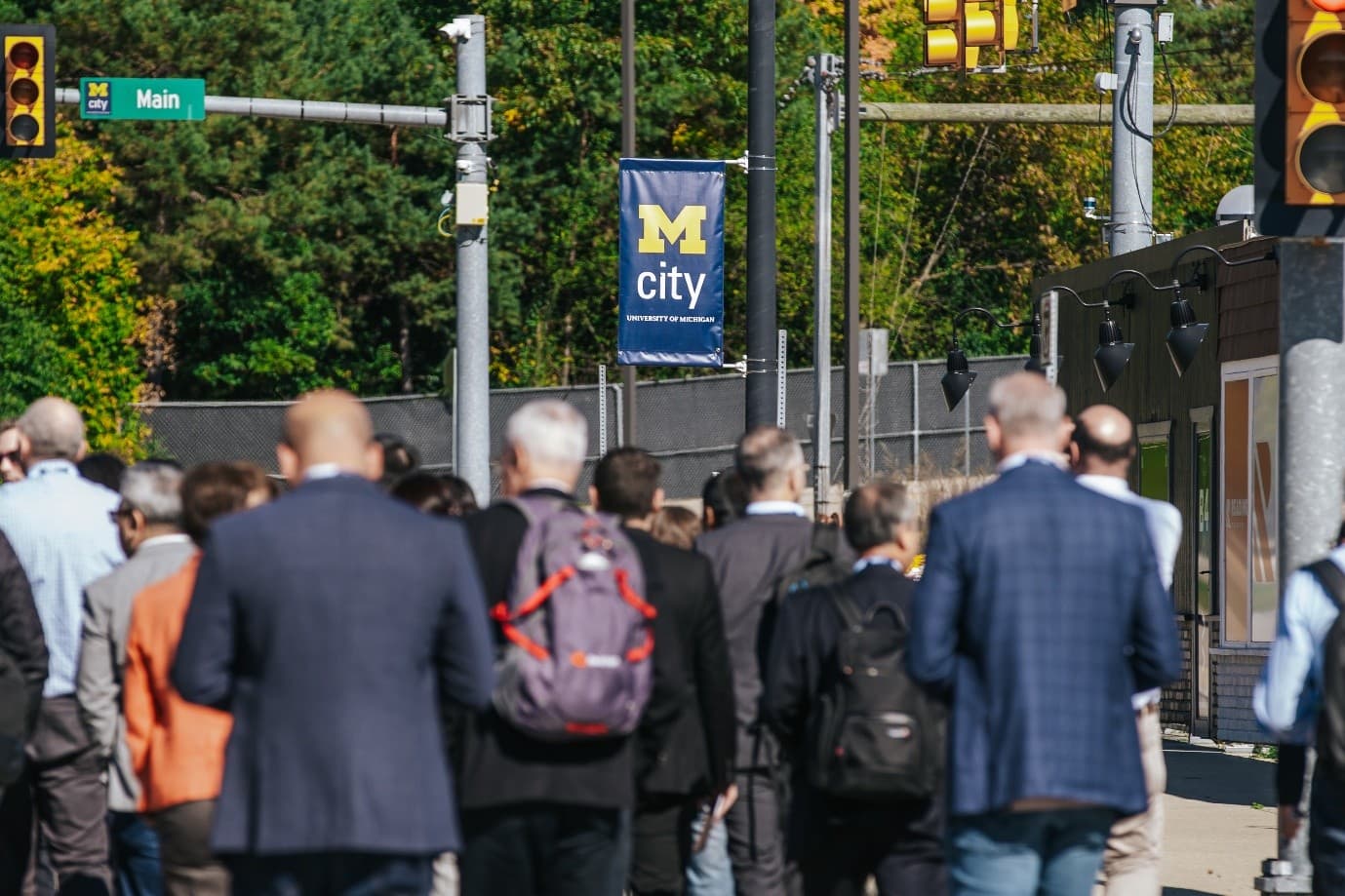
In October 2024, the 4th edition of the Automotive Chiplet Forum took place at Ann Arbor, Michigan.
Driving new device development
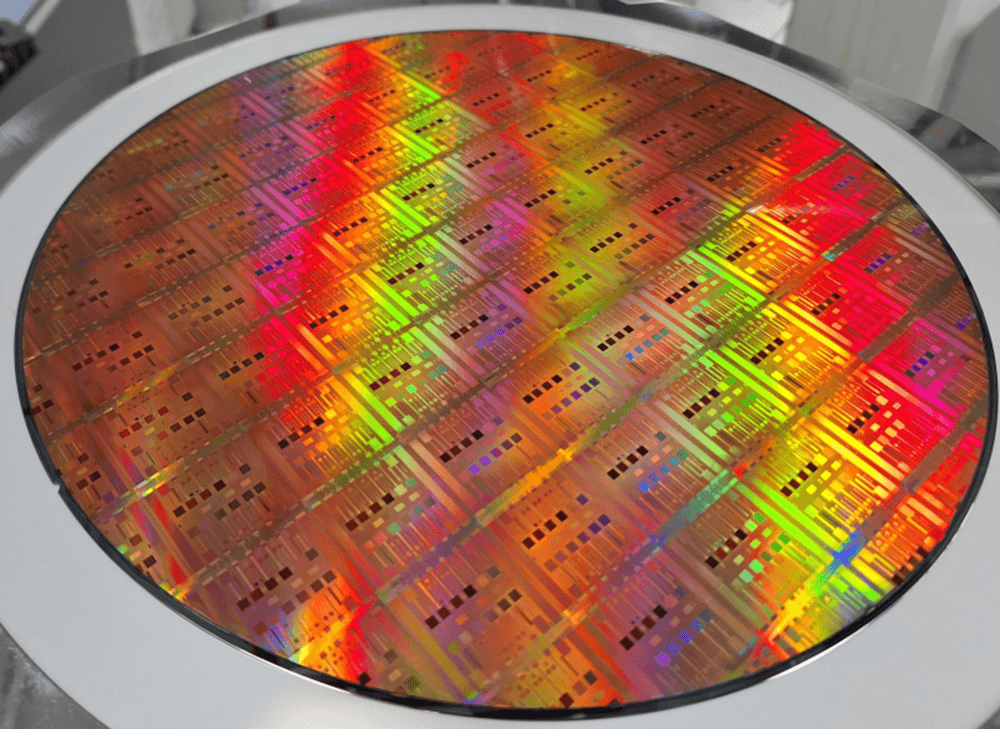
Finally, imec and the University of Michigan conduct groundbreaking semiconductor technology research, exploring novel devices for (automotive) logic and memory applications. These include:
- two-dimensional device configurations
- magneto-electric devices
- p- and n-type semiconductors beyond IGZO
Automotive semiconductor talent development
The competition for semiconductor talent is intense. There are too few graduates in fields like electrical engineering, materials science, chemical engineering, and computer engineering to meet projected demand.
The automotive industry's success in its digital transformation hinges on its ability to attract and retain semiconductor talent. Effective strategies include:
- Launching employer branding campaigns to reshape the industry's image as part of the tech sector.
- Partnering with schools, universities, government, and industry to inform and recruit future talent.
- Providing (re)training programs focused on the latest semiconductor technologies to guide existing employees into new roles.
Mstar focuses on initiatives in the Michigan region, collaborating with local educational institutions such as K-12 schools, vocational schools, community colleges, four-year colleges, and research universities.
With support from the Michigan Economic Development Corporation, the University of Michigan, Washtenaw Community College, GM and KLA are developing tailored, age-appropriate education pathways from early exposure workshops for K-12 to short courses for high school and community college students and working technicians.
Want to know more about mstar, or are you interested in becoming a member?
Click the contact button below to get in touch.