/Spatial Dynamics, a new imec spin-off, launches VR platform for objective and inclusive recruitment
Press release
Spatial Dynamics, a new imec spin-off, launches VR platform for objective and inclusive recruitment
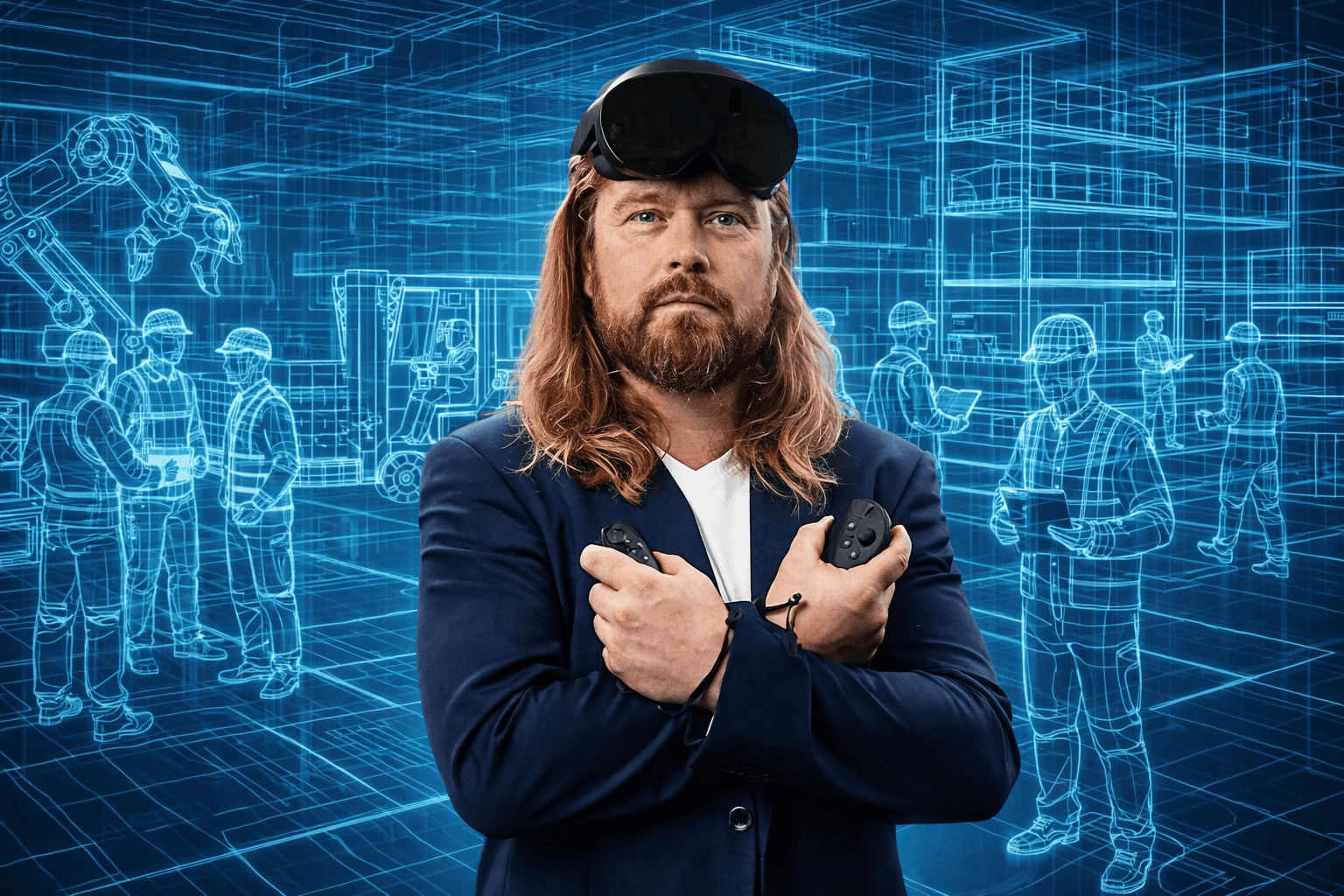
GHENT, 3 february 2026 – Imec, UGent, and Howest launch Spatial Dynamics, a new spin-off leveraging spatial computing and Virtual Reality (VR) to match candidates with the right job profiles. By having candidates perform tasks in a VR environment, their skills become objectively visible—regardless of language, education, or cultural background.
The demand for technical talent keeps rising. Companies are building internal academies and investing heavily in training yet face high dropout rates. At the same time, thousands of job seekers remain underutilized due to language barriers, limited schooling, or atypical profiles. Spatial Dynamics aims to address this by letting candidates “speak with their hands.”
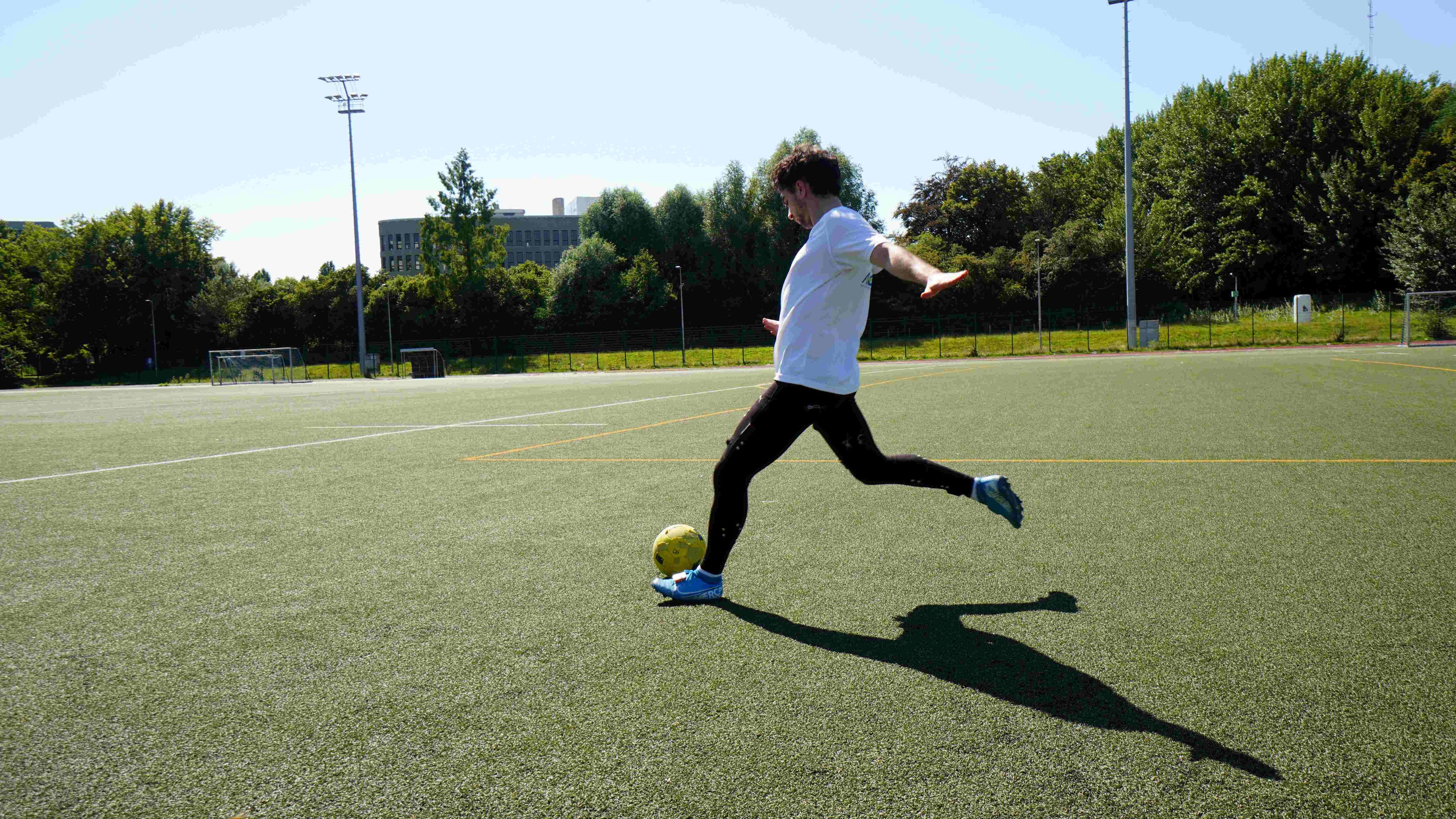
The platform measures how people respond during virtual tasks through hand movements, eye tracking, and reaction speed. These data points are translated into objective metrics using AI-based analytics, giving HR teams insights into competencies such as stress resilience, attention, learning ability, and problem-solving skills.
“With Spatial Dynamics, we give people the chance to show what they can do, regardless of their diploma or profile,” says Dr. Jelle Demanet, CEO of Spatial Dynamics. “By letting people perform real tasks in VR, we can measure core competencies without language or cultural barriers. It’s an inclusive form of competency assessment that is urgently needed to address labor market mismatches.” Spatial Dynamics offers VR headsets through a leasing model, giving companies a low entry cost, automatic hardware replacement, and access to a cloud platform with dashboards that provide candidates and employers with clear insights into results.
The platform is currently being tested at Infrabel, the Belgian railway infrastructure manager, for the recruitment of signal box operators. Spatial Dynamics is also being used for hiring staff to install digital meters, and by several custom‑work companies.
Understand human behavior in spatial digital environments
According to co-founder and CTO Klaas Bombeke, the future of Spatial Dynamics extends beyond HR applications: “Our platform is essentially built to understand human behavior in spatial digital environments,” says Bombeke. “In a world where digitalization is becoming increasingly spatial—from product design to complex healthcare settings—understanding how people move, react, and make decisions in these virtual spaces will be crucial. With Spatial Dynamics, we aim to anticipate this trend.”
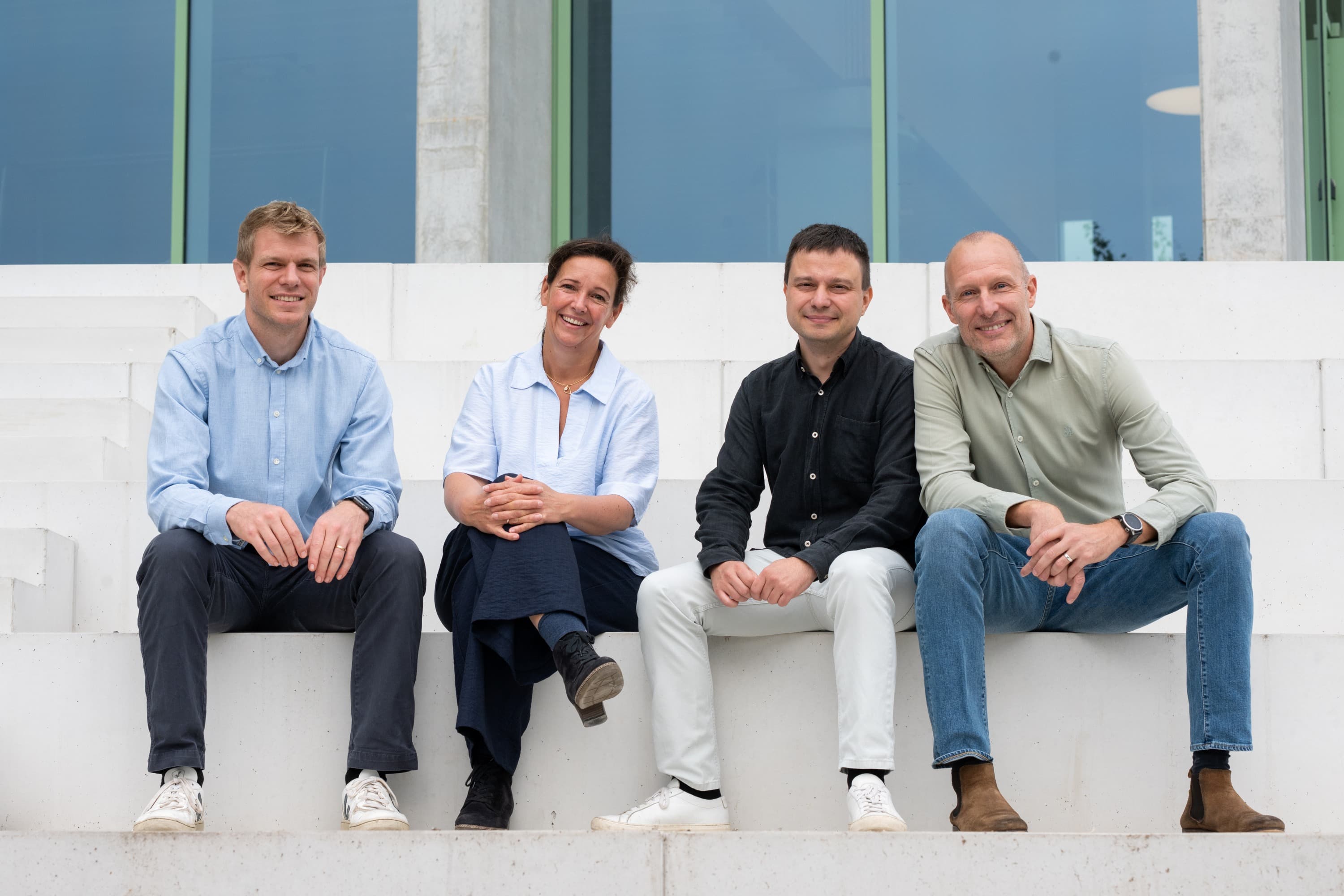
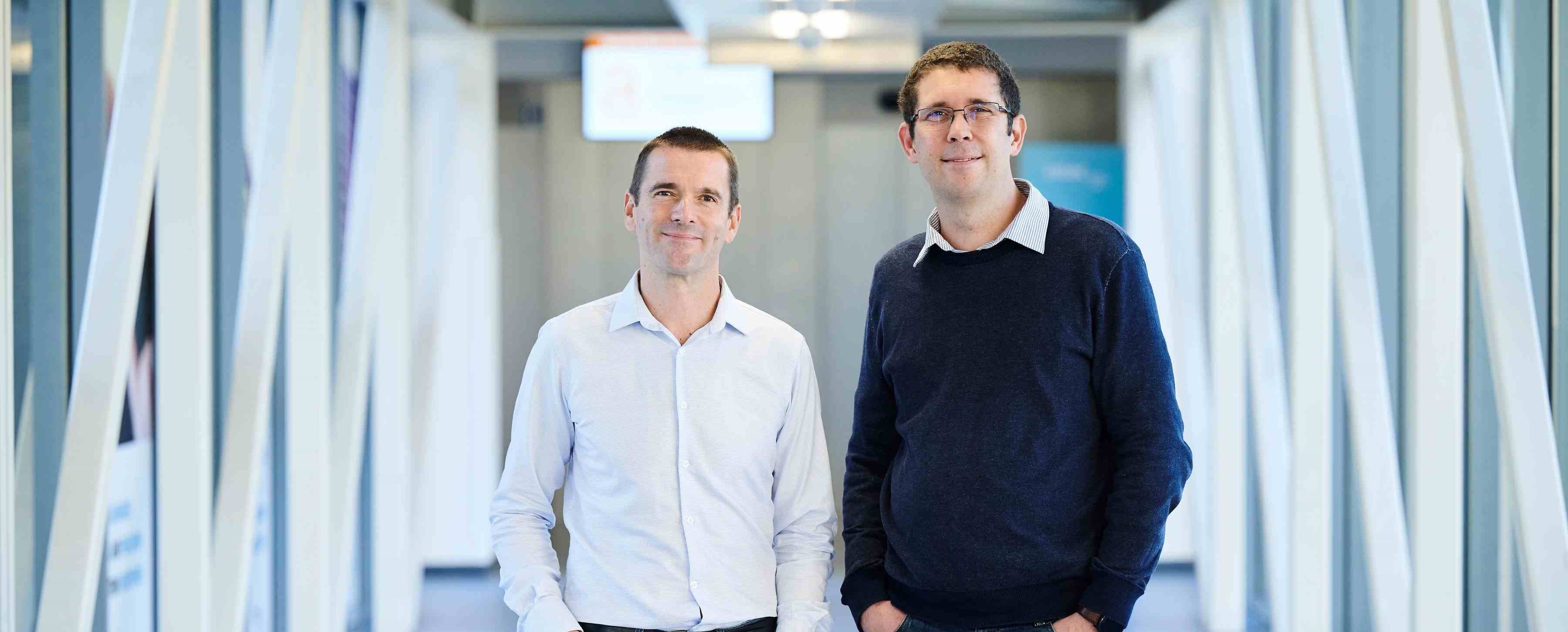
Spatial Dynamics is led by three complementary founders: CEO Dr. Jelle Demanet, experimental psychologist and expert in VR assessments and cognitive technology, CTO Prof. Dr. Klaas Bombeke (imec/UGent), specialist in human-technology interactions, biomarkers, and neurophysiology and Prof. Dr. Ing. Jelle Saldien (imec/UAntwerp), expert in product development and social robotics. Together with a team of software and game developers, they form a multidisciplinary group with a strong track record in building innovative, human-centered technology.
Imec Innovation Challenge
Spatial Dynamics uses algorithms and tools developed at imec, Ghent University, and Howest. The start-up emerged from the Imec Innovation Challenge, a program in which imec challenges researchers to submit breakthrough ideas that could grow into a start-up.
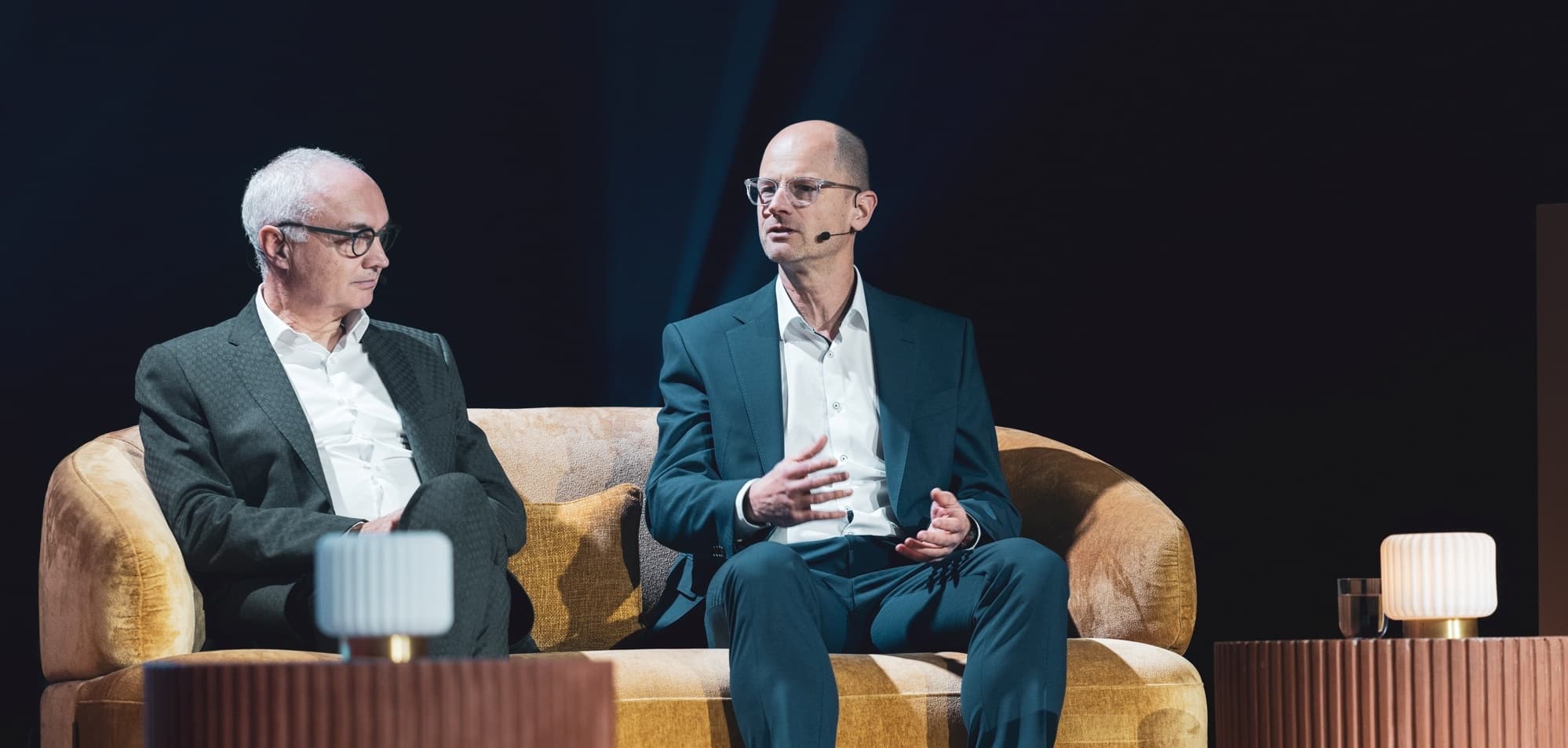
"We coached the team intensively — from the very first pitch to the establishment of the spin-off - and supported them through the key stages of commercialization," says Olivier Rousseaux, director of venture development at imec. "We are convinced that technology that can capture and process spatial data – combining of sensors, AI and mixed-reality displays – will have a tremendous social and economic impact in the coming years. Spatial Dynamics' platform demonstrates how spatial computing can already be used today to better understand human behavior and to enable new, inclusive applications”.