
Twenty years ago, imec's first steps in the Netherlands were greeted as an ambitious move. In an interview at the time, journalists talked about Champions League level: about new ways of collaborating, and about technology that would enable applications that still sounded futuristic. Those expectations and ideas were captured in the publication Roads into the future.
Today, Jo De Boeck, who helped found imec in the Netherlands, and Jesse Robbers, its current managing director, sit down together to look back. The world has changed profoundly since then. Yet many of the original aspirations still set the direction today.
"We never started from one specific application," says Jo De Boeck. "What we did see very clearly was that chip and digital technology would become more and more decisive in very different domains. That insight still stands, even though the context and the challenges are completely different today."
"What strikes me is how robust those initial choices were," says Jesse Robbers. "Not because anyone could predict everything back then, but because the imec model lets us respond quickly when new challenges arise. That makes us more relevant today than ever."
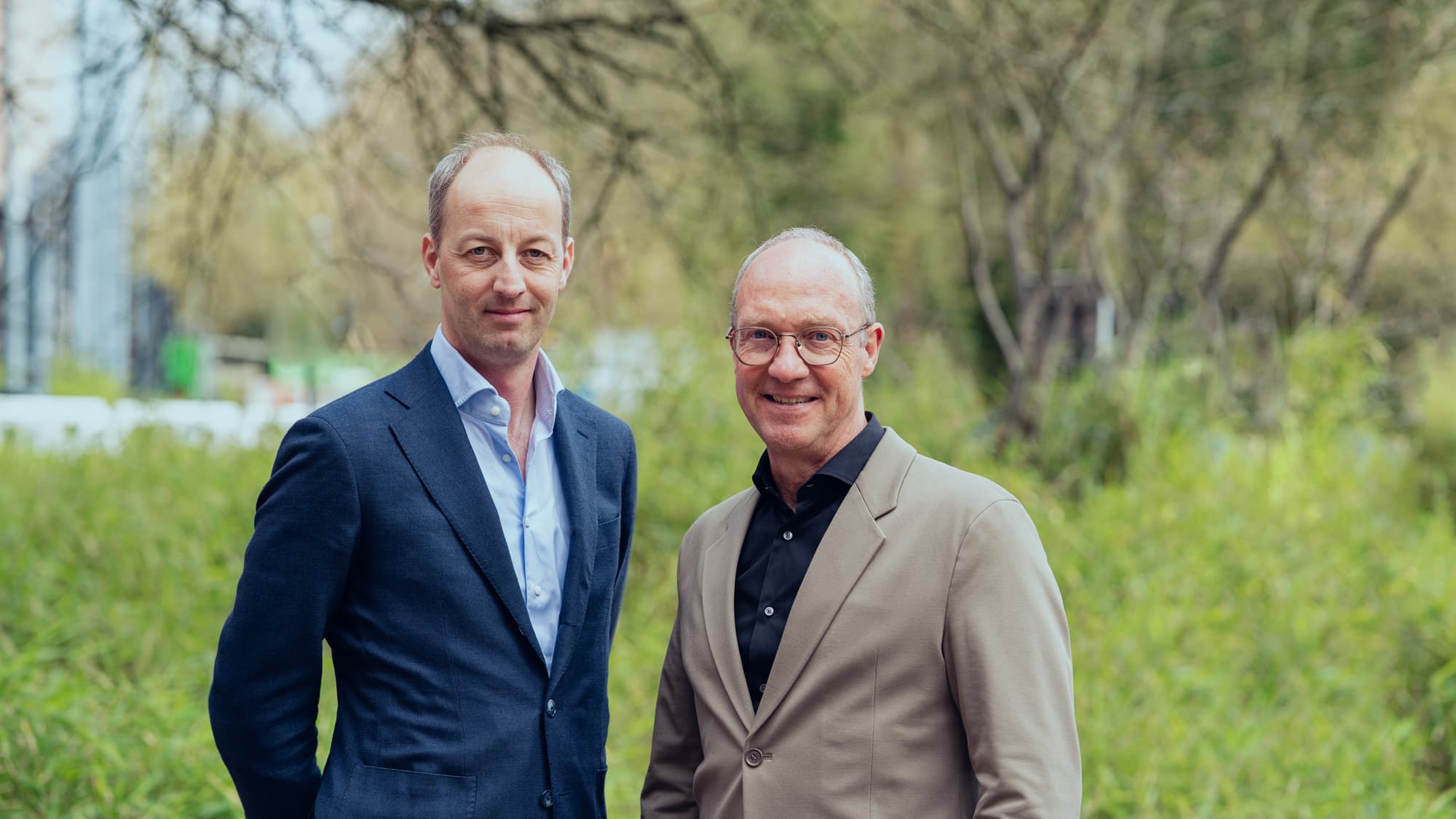
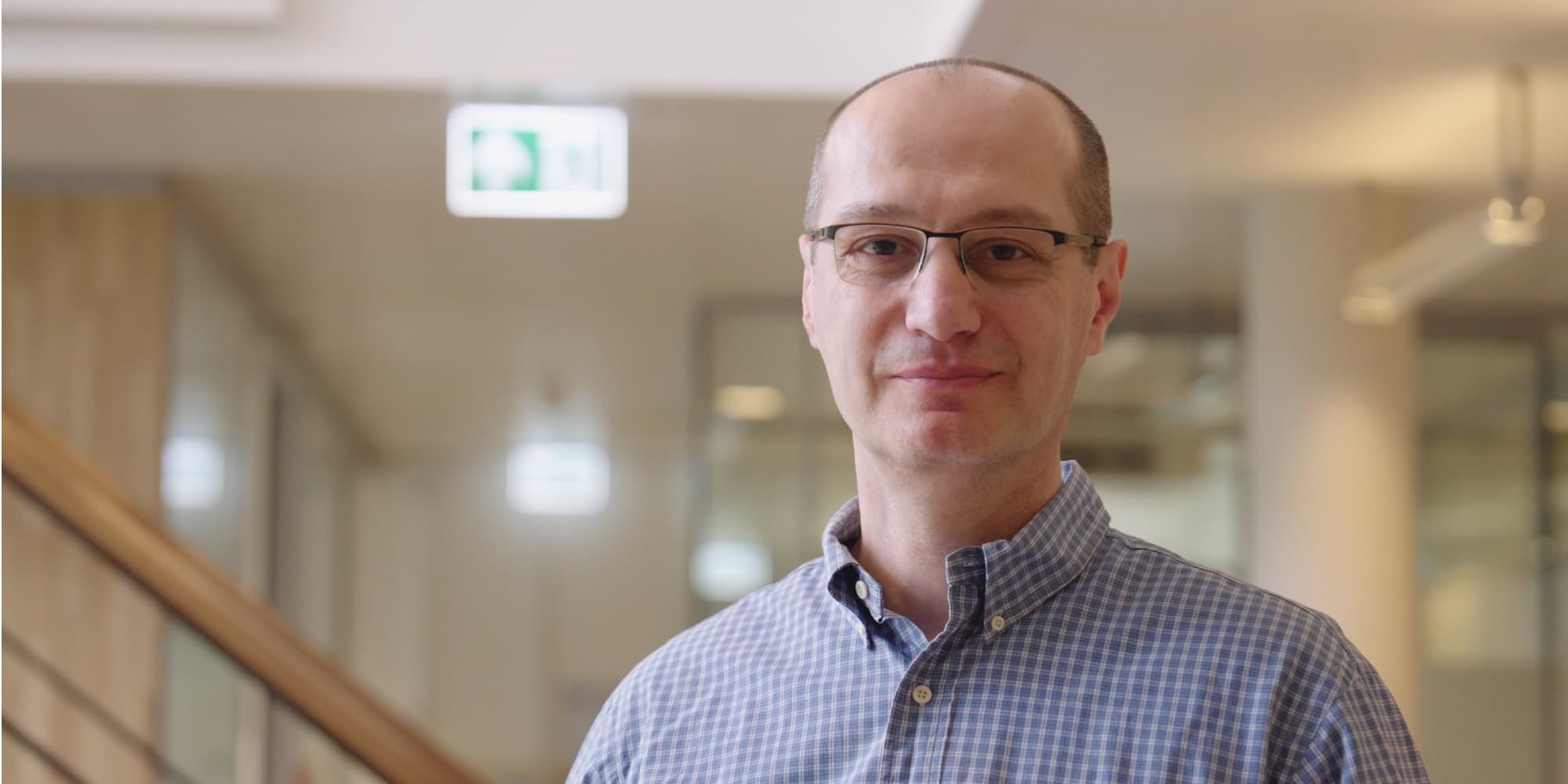
Jesse Robbers and Jo De Boeck
A choice, not a coincidence
The choice for the Netherlands, with its strong industrial players, open culture of collaboration, and regions with a distinct technological dynamic, was no coincidence. Imec's expertise would not replace existing structures, but add to them.
“At Philips’ request, we brought imec’s roadmaps for ultra-low-power devices and systems to the newly established High Tech Campus to help shape its open-innovation approach,” says Jo De Boeck. “That was a natural fit with the strong Dutch technology ecosystem. Our starting point was: how do we bring chip expertise into ecosystems that are already strong, but where that layer is still missing? For us, that meant learning as well. It has never been a one-way street.”
That approach led to collaborations that have since become iconic in the Dutch innovation ecosystem. On the High Tech Campus in Eindhoven, Holst Centre grew into a joint innovation center with TNO, linking imec technology to applications in health, automotive, and the high-tech industry. In 2019, OnePlanet Research Center brought imec chip technology to societal challenges in healthcare, agriculture, and the environment, together with Wageningen University & Research, Radboud University, and Radboud University Medical Center in Nijmegen.
A changing world, an expanding scope
In twenty years, the playing field has changed fundamentally. Digitalization and AI are now everywhere; microchips have become a strategic factor in geopolitics and industrial policy, and Europe has put chip technology explicitly on its agenda.
"The world we work in today is completely different from twenty years ago," says Jesse Robbers. "The scale, the complexity, and the strategic importance of chip technology have grown fundamentally."
That shift is reflected in where imec is active today. Expertise once associated with one or a few sectors is now applied across a much wider range of domains, while the underlying technology keeps being deepened and reused.
"With our expertise in chip technology, wireless communication, and photonics, we connect wherever that technology becomes relevant," Robbers explains. "That can be in healthcare and agrifood, or in new domains such as aerospace and security. That is how we make new applications possible."
Early access, built on a long partnership
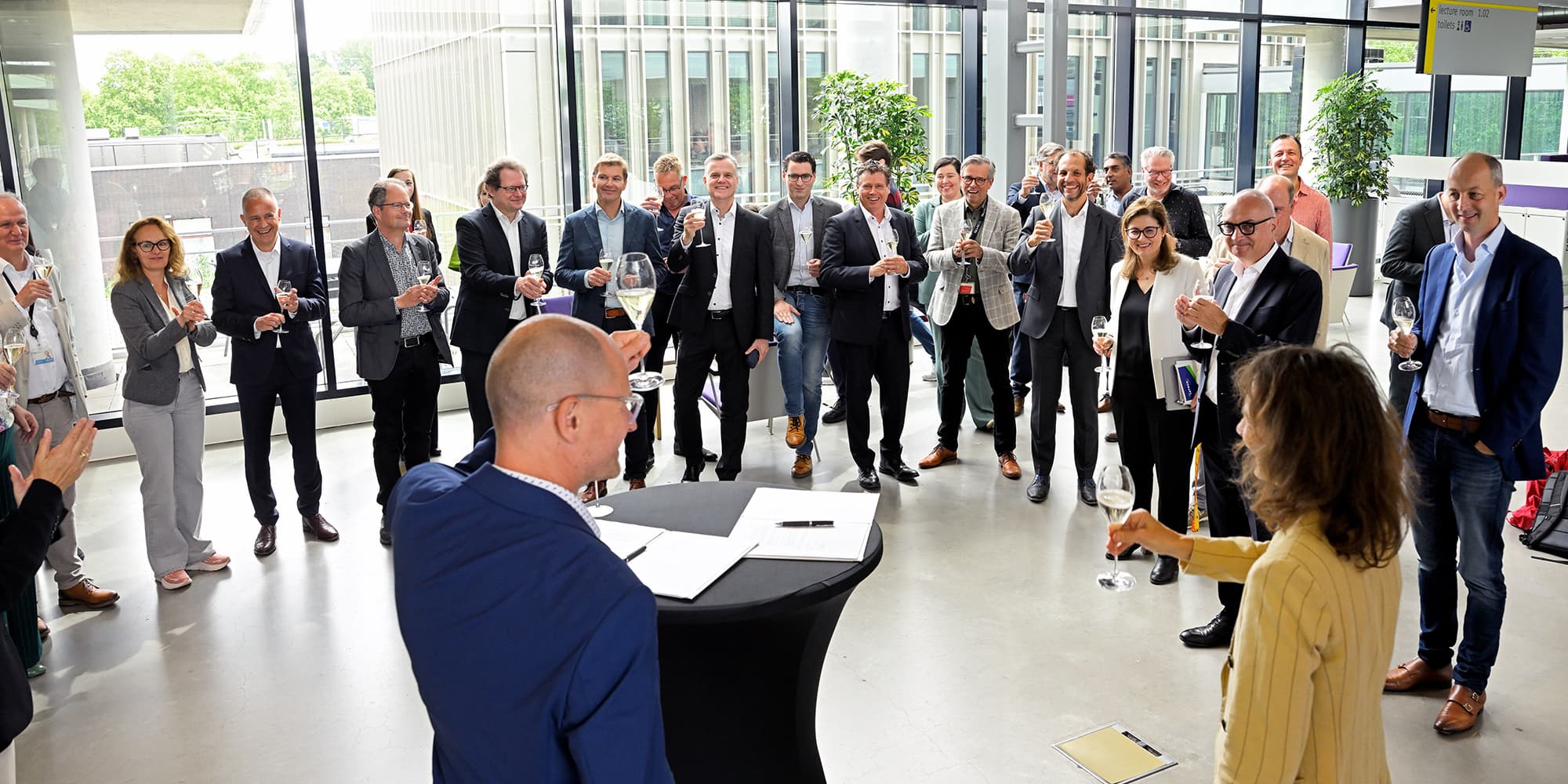
Imec has always worked closely with industrial partners. Its strategic collaboration with ASML goes back decades, to before imec in the Netherlands was founded. In 2024 it was strengthened further with the opening of the joint High NA EUV Lithography Lab in Veldhoven.
“Together with ASML, we established the High NA EUV Lithography Lab in Veldhoven,” says Jesse Robbers. “There, international chipmakers can access the latest generation of lithography at an early stage, helping them prepare for the adoption of High NA EUV in chip manufacturing. This technology is a key enabler for the next generation of AI chips.”
That early access is strategically important for ASML too. By letting customers and partners work with new systems in an experimental environment, it becomes clear how ASML technology can help them. That accelerates innovation, reduces risk, and strengthens Europe's competitiveness in the global semiconductor ecosystem.
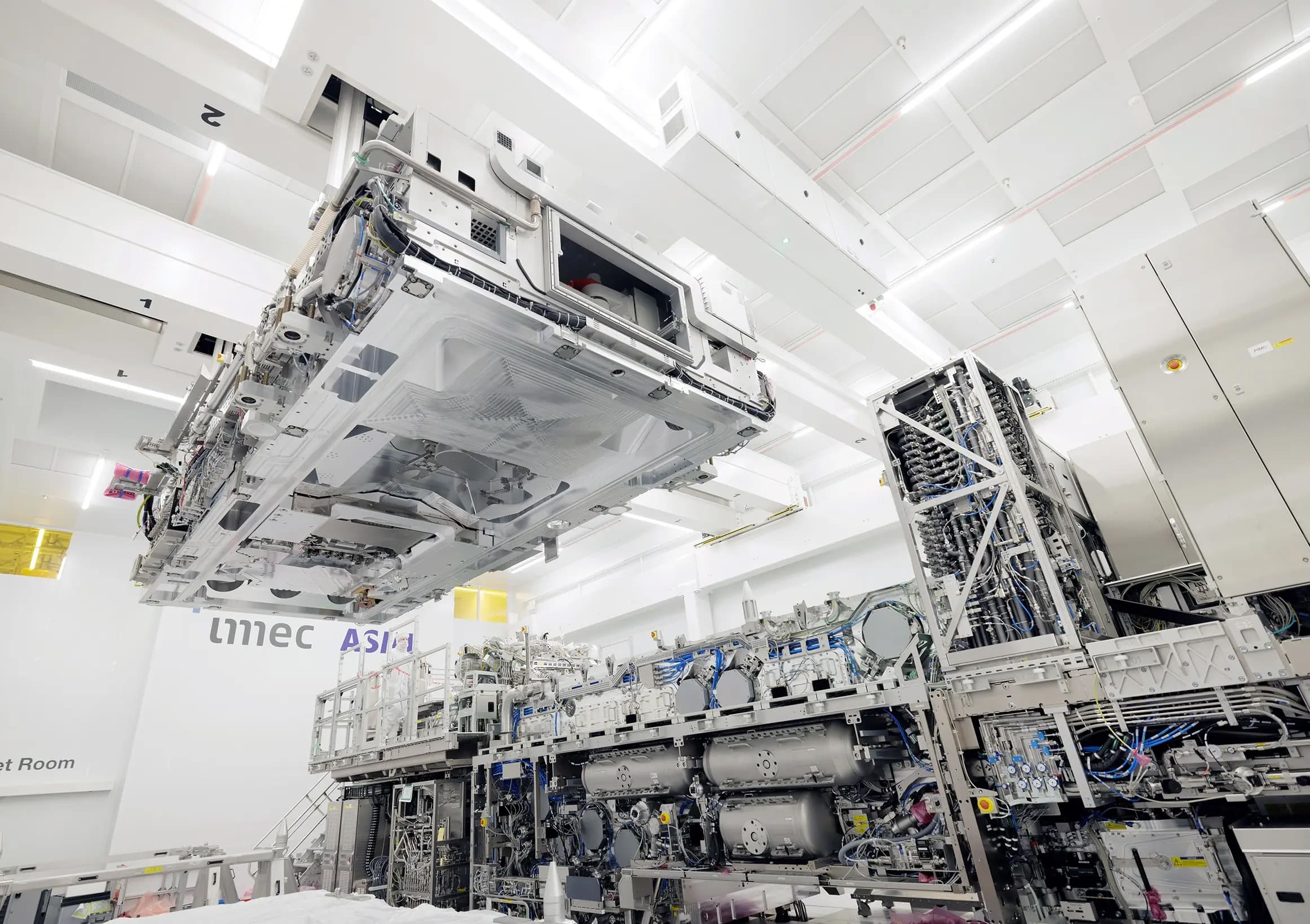
ASML imec High NA lab
Access to chip production and startup support
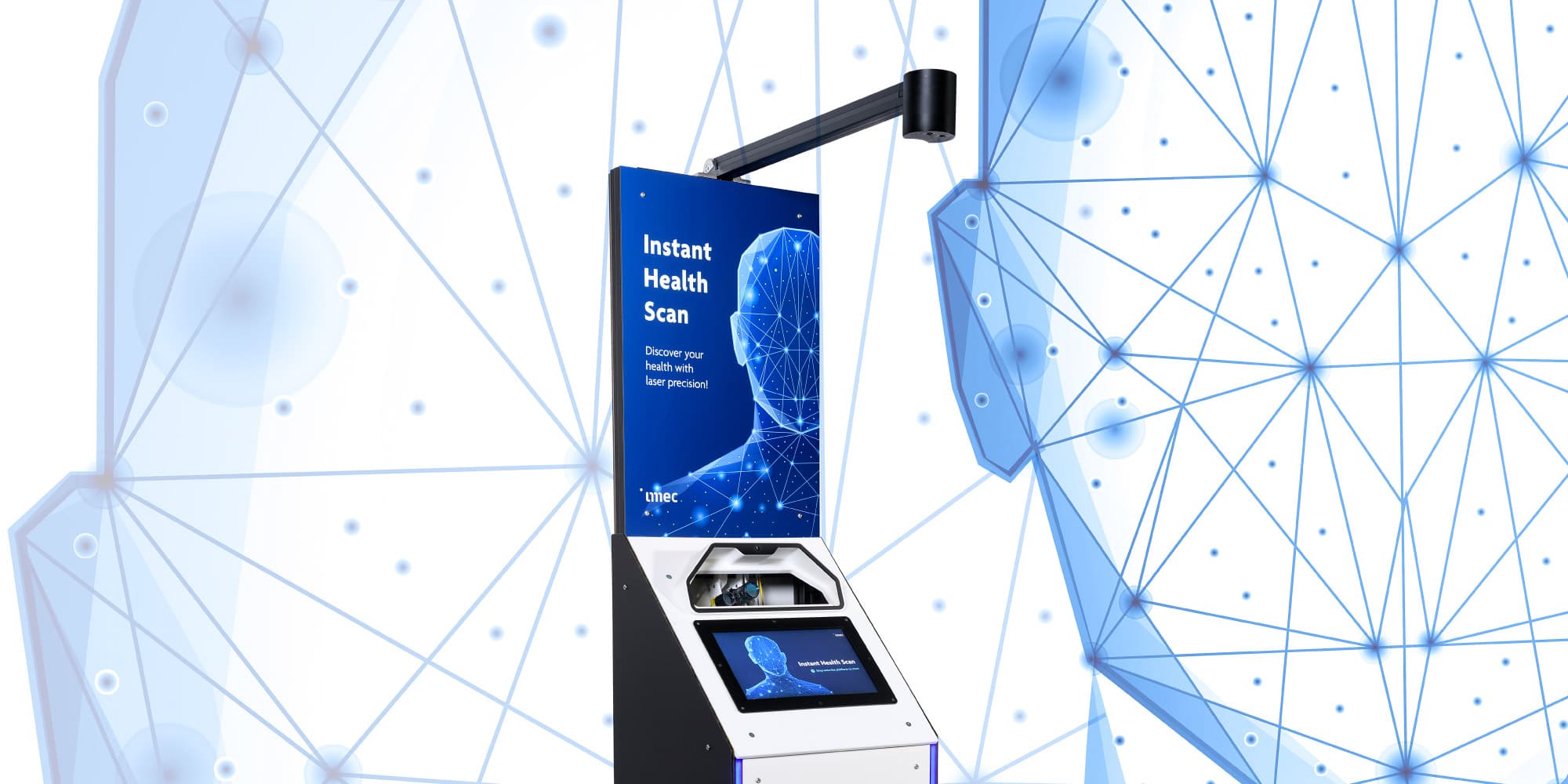
Imec applies the same principle of access to new chip technology and close guidance through support programs such as IC-Link by imec, imec.xpand, and imec.istart. They give companies, universities, and startups access to chip design and manufacturing, and guidance toward market introduction.
IC-Link guides companies through the full chip design process with tailored solutions. Imec.xpand, an independent venture capital fund, supports deep tech startups building on nanotechnology innovation. Imec.istart helps technology startups through coaching, infrastructure, and access to international networks.
Embedded in Europe
At European level, chip technology is taking an increasingly prominent place in technology policy, as Europe makes strategic choices to secure its future economic and technological strength. The European Chips Act explicitly names semiconductors as a crucial pillar for research, industry, and innovation.
Within that framework, Europe is investing in a coherent network of pilot lines and competence centers. Pilot lines build deep technological expertise and infrastructure, while competence centers make that knowledge accessible to companies and regions and support its translation into economic application. This encourages targeted knowledge sharing and collaboration across regions, connecting companies and knowledge institutions faster around concrete technological needs.
"Besides hosting the NanoIC pilot line, the largest under the EU Chips Act, imec is involved in almost all of Europe's strategic pilot lines," says Jo De Boeck. "That's no coincidence. It is the result of years of investment in core expertise, infrastructure, and collaboration models, in Belgium and in the Netherlands. Together they form one whole that Europe needs today."
Imec is also actively present in the ChipNL Competence Centre, partly through IC-Link. "For imec in the Netherlands, this European dynamic means we can deploy our strengths, from photonics and advanced semiconductors to AI-driven chip technology, directly with local partners, including through the ChipNL Competence Centre," says Jesse Robbers. "That's how we make expertise from European pilot lines and competence centers concretely relevant to the Dutch ecosystem."
Collaboration and long-term vision as the engine of impact
The imec effect does not happen in isolation, but in interaction with industry, knowledge institutions, and governments.
"We want to collaborate, always," says Jesse Robbers. "Connect to industrial developments, evolve together with partners. That requires a model in which public and private funding reinforce each other, with a balanced contribution from government and industry and a clear economic impact. In a model like that, new technologies can grow from research to application."
This way of working starts explicitly from concrete questions and needs in industry and society. The impact is visible in joint research programs, but also in startups, spin-offs, and support for companies seeking access to chip technology.
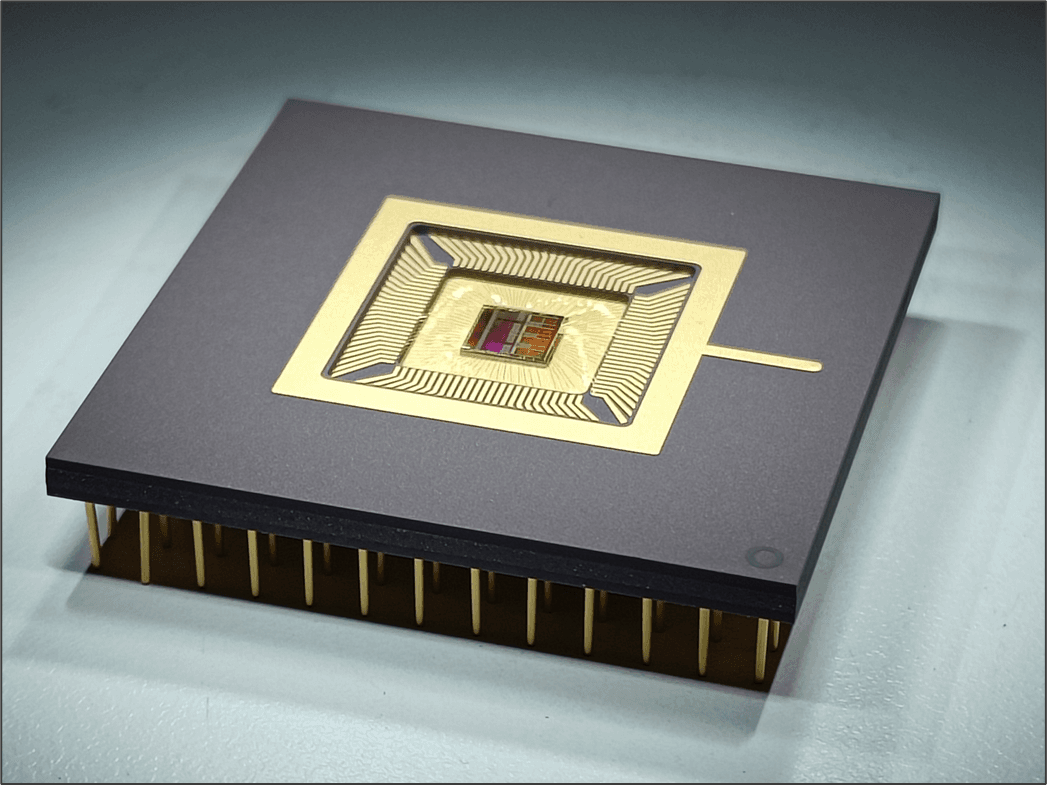
Several technology companies and startups that grew out of imec in the Netherlands are now active internationally, including Bloomlife, LifeSense, Onera, Axelera AI, and eyeo. Close collaboration with ecosystems such as Brainport Eindhoven and PhotonDelta reinforces that momentum. For the Netherlands, where the semiconductor industry plays a key economic role, that means more technological and industrial strength.
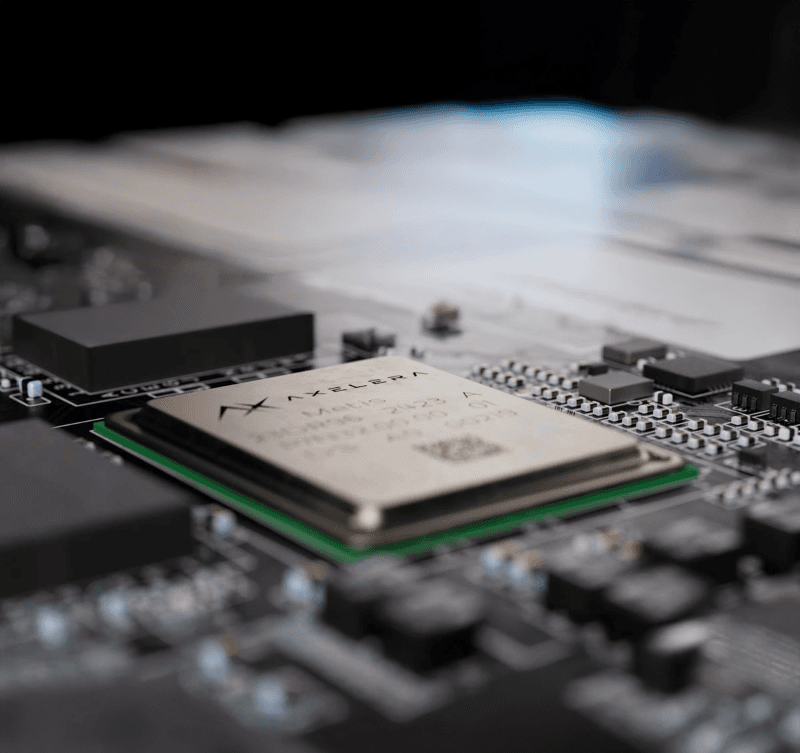
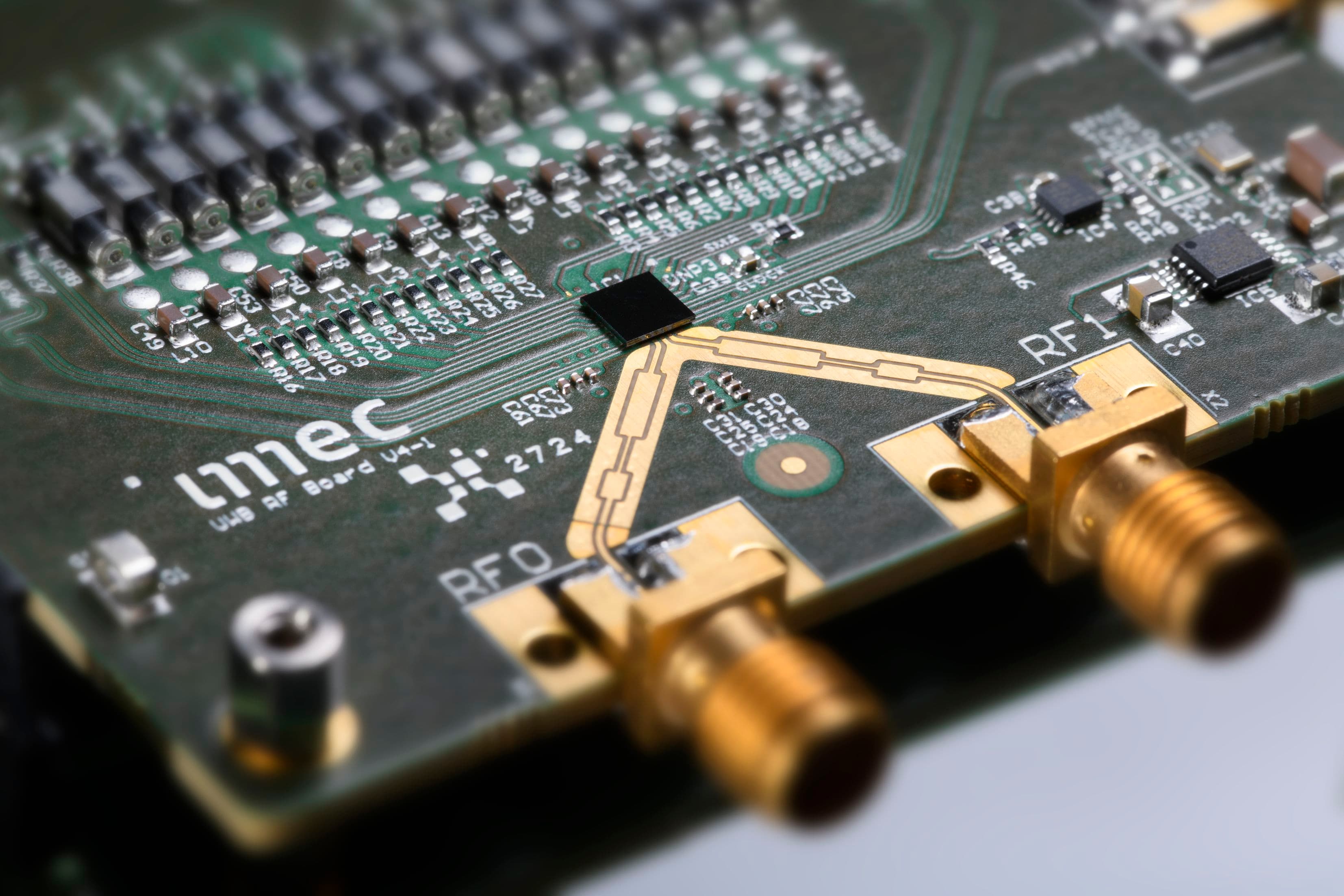
Chip from imec spin-off Axelera AI
At the same time, lasting impact takes time, innovation cannot be forced into short cycles and needs room to explore new ideas. "Without strategic public support, you can achieve very little," says Jo De Boeck. "Innovation sometimes requires significant investment before it delivers tangible results. That takes trust and a long-term view."
That time and trust are needed to work strategically while staying disruptive, without losing touch with economic reality. That tension lies at the heart of responsible innovation. Research centers like imec play an important role here: they bridge long-term university research and industrial application, and help new technologies mature and reduce risk in a precompetitive phase before they reach the market.
"You have to give the best people the chance to think ahead and experiment," De Boeck adds. "But innovation can never be separated from the world it comes from. In the end, it has to contribute to the economic fabric and to social progress."
Talent and anchoring
For Jesse Robbers, that responsibility starts with talent and strong roots in the region.
"Technical universities such as Eindhoven, Twente, and Delft are crucial partners. They provide a continuous inflow of talent and strong joint research projects. Combined with national, regional, and local governments that co-invest in knowledge, infrastructure, and people, that creates a dynamic that strengthens the entire Dutch innovation climate."
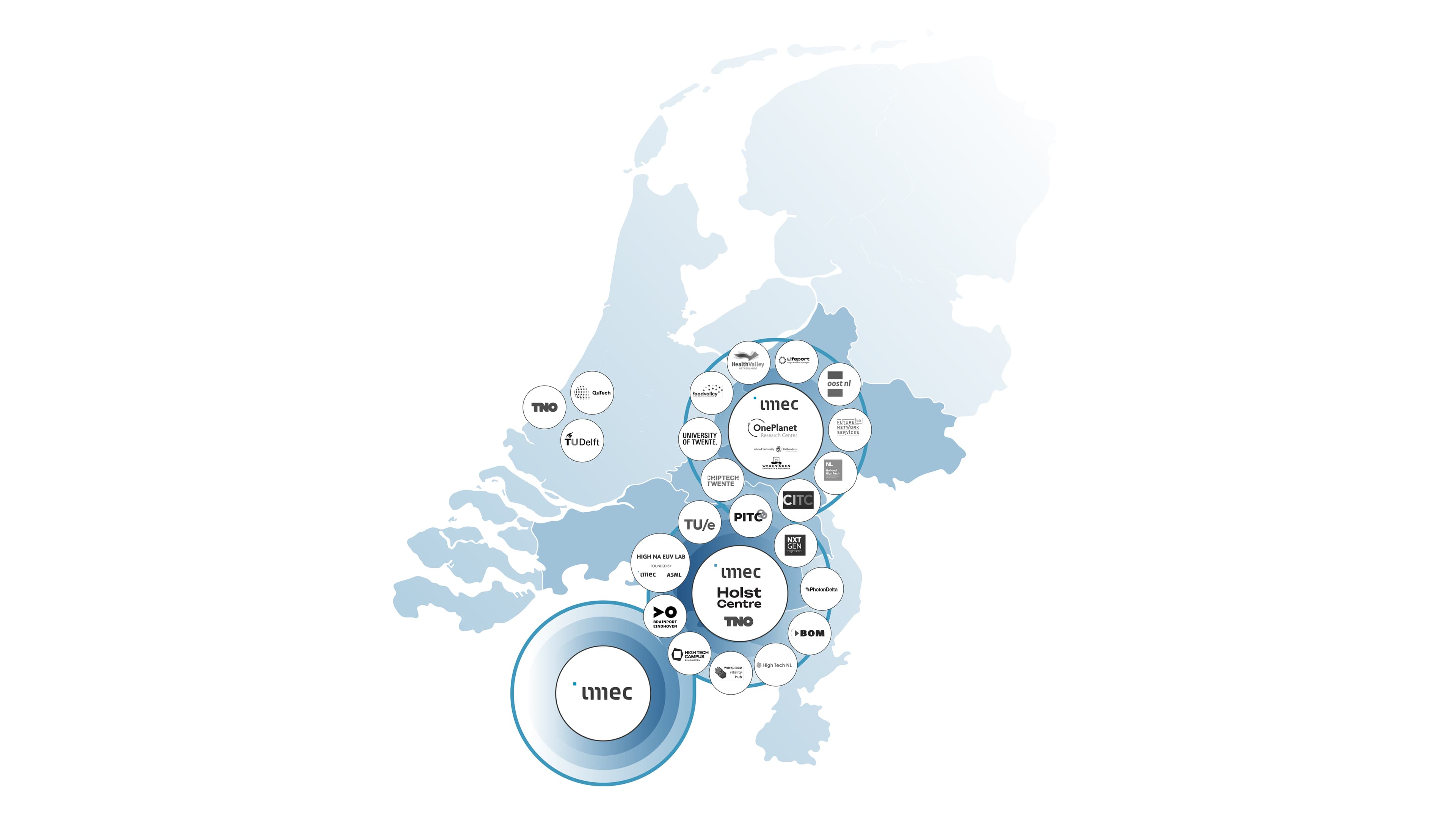
Imec embedded in the Dutch ecosystem
Building toward a Silicon Valley of the Lowlands
Looking back on twenty years of imec in the Netherlands, Jo De Boeck and Jesse Robbers don't feel a sense of completion, but of continuity. A lot has been achieved. Even more lies ahead.
"If you believe in today's and tomorrow's technology trends, and if the Netherlands wants to play a role in them, then you have to invest structurally," says Jesse Robbers. "Imec is not a luxury, it's an insurance premium."
Over the past twenty years, those investments have built a strong chip technology ecosystem in the Netherlands, with close collaboration between industry, universities, and research centers, and imec in the Netherlands as the connecting link. In the coming years, it aims to build on that role.
Future opportunities also lie at the intersection of photonics, quantum technology, AI, and 3D and heterogeneous integration. These fields reinforce one another: photonics can support quantum technologies and energy-efficient data links, while 3D and heterogeneous integration bring different components together in compact systems for advanced computing and AI. Connecting these capabilities creates opportunities that go beyond what any one technology can deliver alone.
"Our ambition is to keep building what you could call the Silicon Valley of the Lowlands: a place where deep technological expertise, industry, and research come together. We want to develop that unique combination further and make it count internationally."
New strategic opportunities are already opening, in sectors such as aerospace and security, chip technology, sensors, and AI play an increasingly crucial role in strengthening Europe's technological autonomy.
"In those domains, together with strong partners, we will bring in our expertise and build on the technological and industrial base that already exists in the Netherlands," says Robbers.
According to Jo De Boeck, that combination of local roots and international orientation shows why the Dutch experience matters so much for imec as a whole. Iimec is active in fourteen countries today, eight of them in Europe. The Netherlands was its first step outside Flanders and has grown into a reference point within that international network, thanks in part to close collaboration between imec in the Netherlands and in Flanders.
"What imec in the Netherlands has built shows that collaboration pays off, and that the imec model works in a country that invests in knowledge, collaboration, and consistent policy," says De Boeck. "We take that experience into new international partnerships, always tailored to the context of the region."
The conclusion is clear, without grand words, the world is changing faster than ever. But precisely because the imec model is not tied to one application or one context, it is still proving its value twenty years on.
With 250 dedicated researchers and experts, strong industrial partners, and a growing network of startups and spin-offs, imec in the Netherlands has become a fixture in the global technology ecosystem. What once sounded ambitious is reality today. And above all, a solid starting point for what comes next.
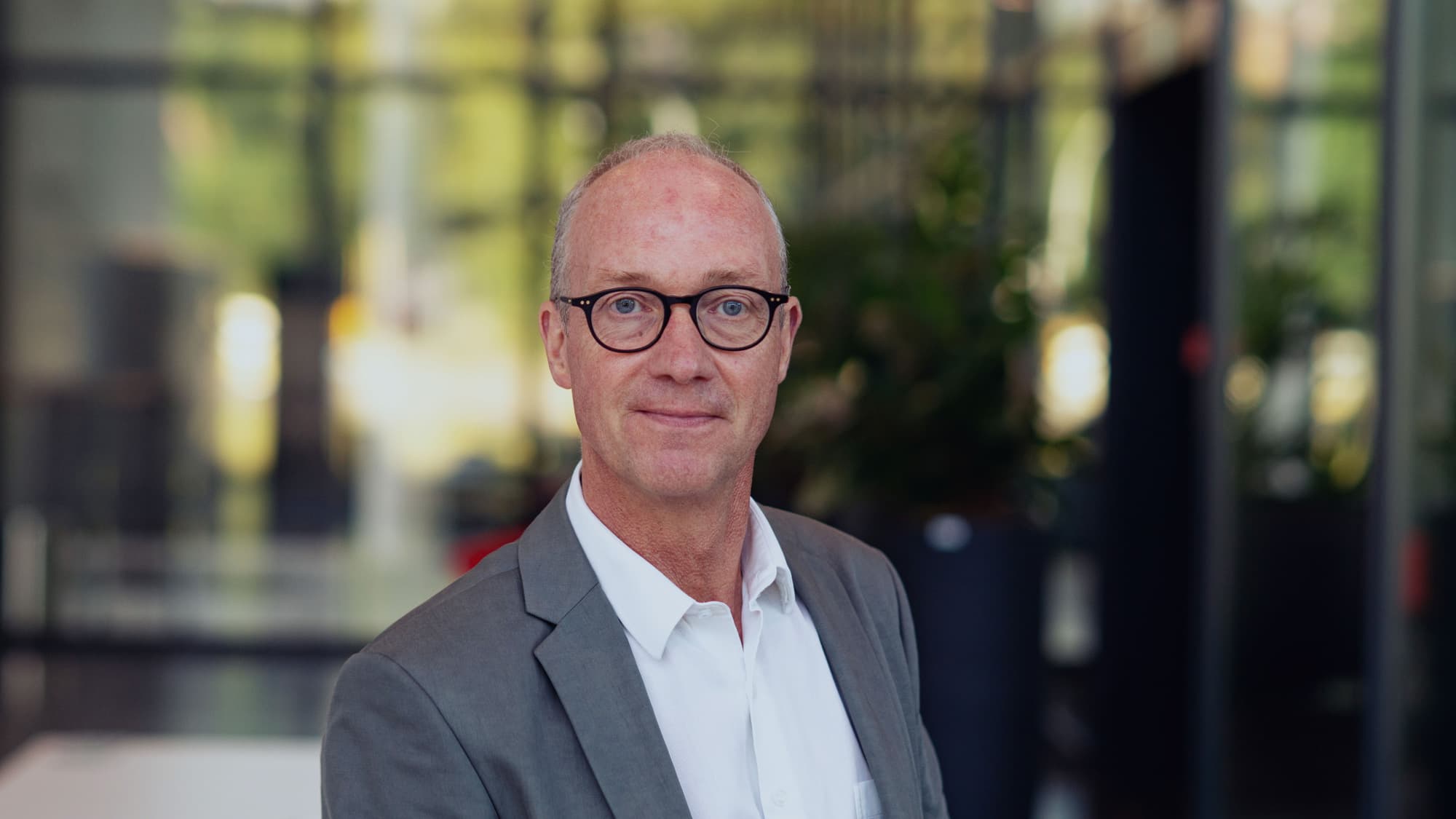
Jo De Boeck is Executive Vice President and Chief Strategy Officer at imec. He holds a degree in electrical engineering and a PhD from KU Leuven, and has worked at imec since 1986. Over his career he led research into new materials and system functionality and held several leadership roles, including VP Microsystems, Managing Director of imec the Netherlands, and Chief Technology Officer. Since 2018 he has been Chief Strategy Officer, focusing on public-private partnerships, government relations, the imec innovation pipeline, spin-offs, and academic relations. He is also a part-time professor at KU Leuven.
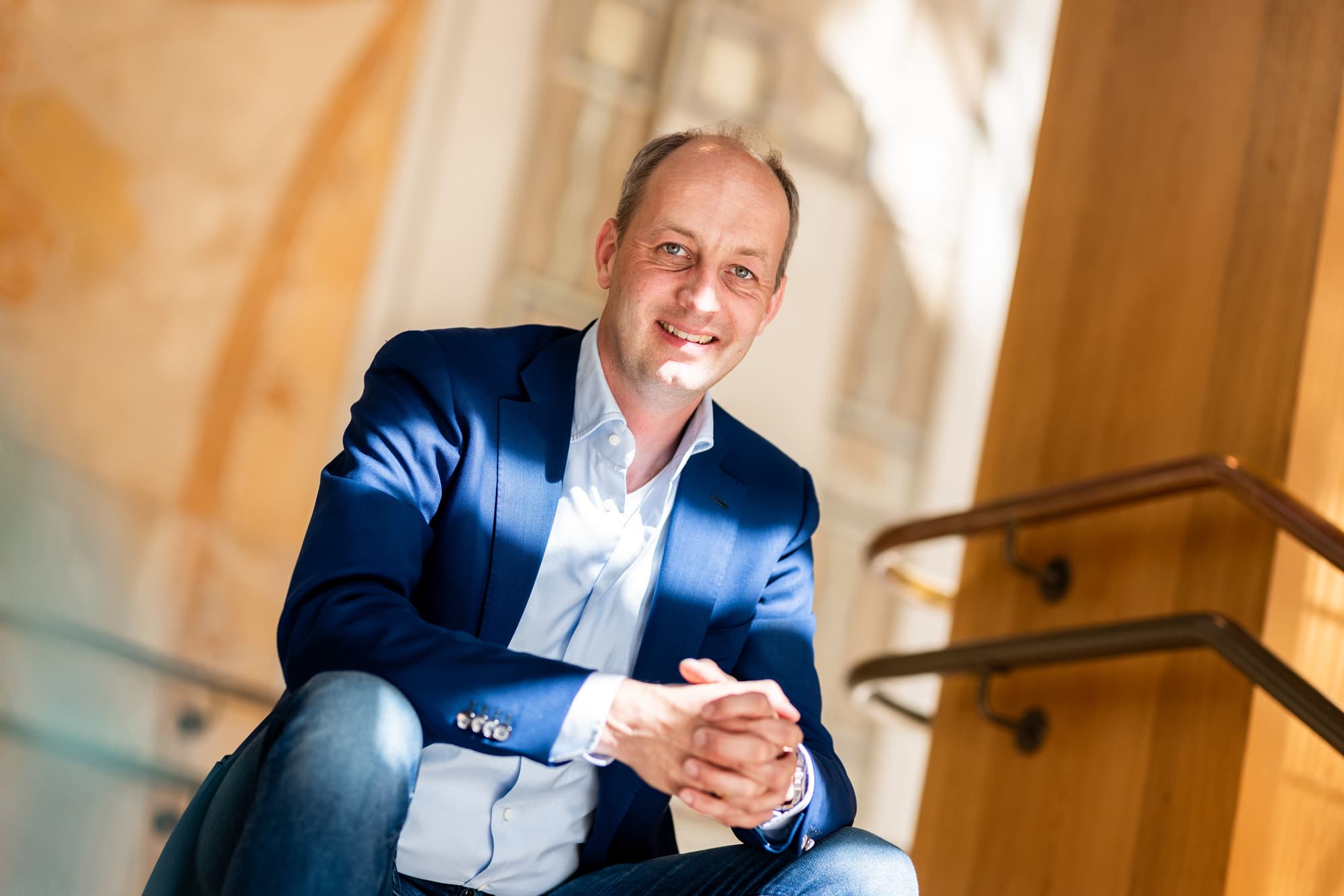
Jesse Robbers is Vice President at imec and Regional Managing Director of imec the Netherlands. He has broad experience in deep tech, quantum technology, digital infrastructure, and telecommunications, with a strong focus on connecting research, industry, and government. Before joining imec, he co-founded and served on the board of Quantum Delta NL (QDNL), the Dutch national quantum initiative, where he led the Industry & Digital Infrastructure domain and led national and international quantum network developments. He also contributed to the National Technology Strategy (NTS).